The Wetlands of Los Haitises National Park: Marshes, Swamps and Their Ecological Importance
Los Haitises National Park is famous for its limestone hills, mangrove forests, caves and coastal scenery. But another important part of its natural identity is found in its wetlands. These water-influenced environments create habitats for birds, fish, aquatic organisms and plants while helping regulate the movement of water through the landscape.
The wetlands of Los Haitises are not all the same. Some are associated with freshwater and marsh vegetation, while others are influenced by tides and coastal conditions. Mangrove forests form a particularly important part of the park's wetland environment, creating sheltered waterways and habitat for numerous species.
Scientific research has also shown that many wetlands in the Los Haitises karst region are connected to groundwater. This makes the area's wetland system especially interesting because water can arrive through rainfall, surface drainage and underground pathways.
This guide explains the main wetland environments associated with Los Haitises, how they function, what wildlife they support and why protecting them is essential for the future of the national park.
1. What Are Wetlands?
Wetlands are areas where water influences the soil, vegetation and ecological conditions for at least part of the year. Some remain wet for long periods, while others experience seasonal changes in water levels.
They can occur beside rivers, around lakes, along coastlines, in low-lying depressions or in places where groundwater reaches the surface.
Wetlands are not simply areas covered by water. They are ecosystems with distinctive combinations of:
- Water and saturated soils.
- Plants adapted to wet conditions.
- Aquatic and semi-aquatic organisms.
- Microorganisms that help break down organic material.
- Interactions between land, freshwater and, in coastal areas, seawater.
In Los Haitises, wetlands form part of a wider tropical landscape shaped by limestone geology, rainfall, groundwater, rivers and coastal processes.
2. Why Are Wetlands Important in Los Haitises?
Wetlands help connect different parts of the park's natural environment.
They provide feeding and shelter areas for wildlife, influence water movement and support vegetation adapted to wet soils. They also create transitions between forest, freshwater and coastal habitats.
A 2013 scientific study titled Humedales en Los Haitises, República Dominicana describes numerous wetlands within the region's karst environment and identifies their connection with groundwater.
The study examined rivers, springs and wells, using water-level measurements and chemical and isotopic analyses to investigate how water bodies relate to one another.
The research demonstrates that the wetlands should not be considered isolated pools. They are part of a larger hydrological system.
Their importance can be understood through several ecological functions:
- Providing habitat for wildlife.
- Retaining water in low-lying environments.
- Supporting wetland vegetation.
- Influencing the movement of nutrients and organic matter.
- Connecting freshwater and coastal ecosystems.
- Providing feeding and resting areas for birds.
3. Main Wetland Environments Associated With Los Haitises
Los Haitises contains a mosaic of natural environments. The park's management plan describes mangroves among its principal ecosystems, while scientific research and regional ecological descriptions identify freshwater swamp and marsh environments in the wider wetland landscape.
The word "wetland" covers several different habitat types. Understanding their differences helps explain the ecological variety of the region.
Freshwater marshes
Freshwater marshes are wet environments where water-tolerant grasses, sedges, herbs and other non-woody plants may dominate.
Water levels can change with rainfall, drainage and groundwater conditions. Some marshes may remain wet for extended periods, while others experience seasonal fluctuations.
These habitats can support aquatic invertebrates, amphibians and birds that feed in shallow water or among vegetation.
Freshwater swamps
A freshwater swamp is generally a wetland with substantial woody vegetation, including trees or shrubs adapted to saturated conditions.
The boundary between marshes and swamps is not always sharp. Some wetlands contain a mixture of open water, grasses, shrubs and trees.
In the wider Los Haitises landscape, freshwater swamp and marsh environments occur near mangrove and other wetland habitats.
Mangrove wetlands
Mangrove wetlands occur along tropical and subtropical coastlines influenced by tides and brackish or saline water.
Los Haitises is particularly known for its extensive mangrove environments. Their trees grow in coastal sediments and develop specialized root systems that allow them to survive in waterlogged, often oxygen-poor conditions.
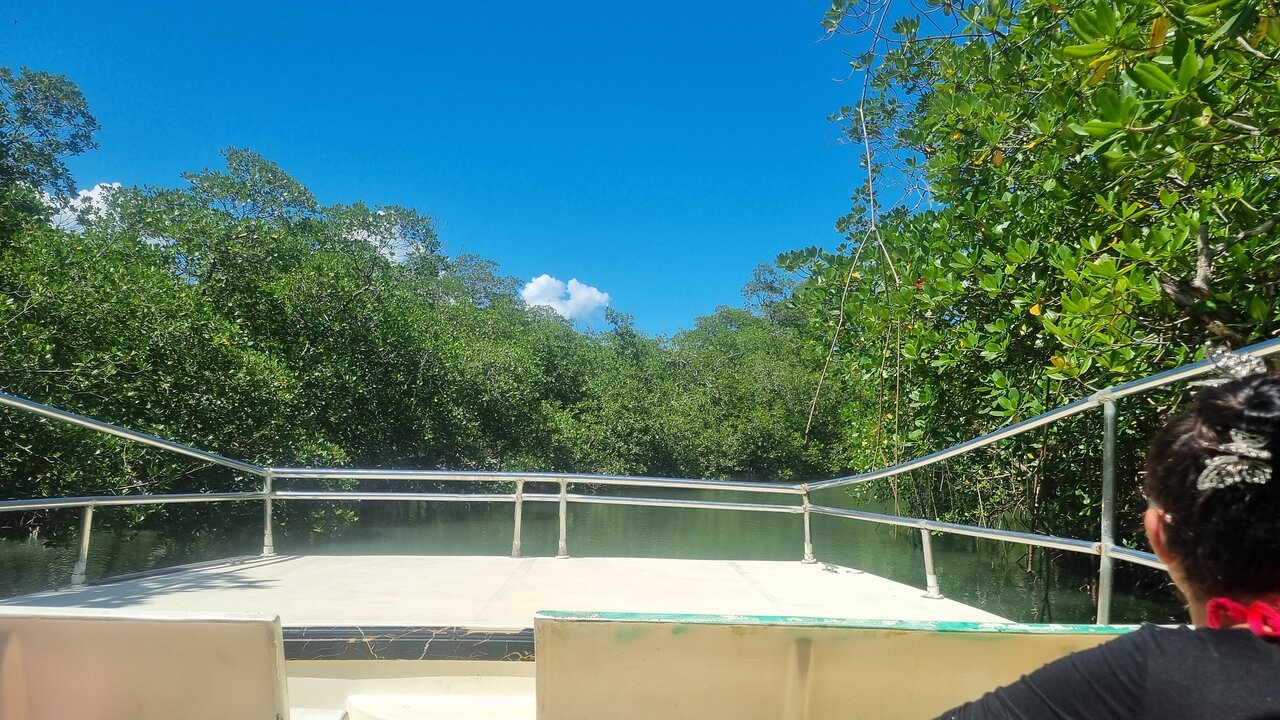
Mangrove habitats are among the most recognizable wetland environments for visitors exploring the park by boat.
Coastal and estuarine wetlands
Coastal wetlands occur where land and marine environments interact. Estuarine areas receive freshwater from rivers and rainfall while also experiencing tidal seawater movement.
Water salinity can vary considerably between locations and times.
These transitional environments support organisms adapted to changing conditions.
Important: These descriptions explain wetland habitat types associated with the Los Haitises landscape. They are not a complete official map of individually classified marshes and swamps within the park boundary.
4. Mangrove Wetlands: A Major Part of Los Haitises
Mangroves are one of the most important natural features of Los Haitises.
The official Dominican Republic tourism authority highlights the park's mangrove forests and describes boat and kayaking experiences through the mangrove system.
Mangrove forests are made up of salt-tolerant trees and shrubs adapted to coastal conditions. Their roots can remain partly or fully submerged depending on tides and water levels.
Three mangrove species commonly discussed in the ecological literature on the park's coastal forest are:
- Red mangrove (Rhizophora mangle): Recognizable by its supporting prop roots.
- White mangrove (Laguncularia racemosa): A coastal mangrove species found in tropical American environments.
- Black mangrove (Avicennia germinans): A species adapted to waterlogged coastal soils, often developing specialized aerial roots.
A long-term ecological study conducted in a mangrove forest at the western end of Samaná Bay within Los Haitises National Park found that red mangrove dominated the study area, with white mangrove also present and black mangrove occurring in smaller amounts.
The exact composition of mangrove vegetation varies across the park, depending on local water conditions, sediment and other environmental factors.
5. How Wetlands Receive and Retain Water
Wetlands depend on the availability and movement of water. In Los Haitises, several processes can influence wetland water levels.
Rainfall
Rain falls directly onto wetland surfaces and surrounding vegetation. It can increase water levels and contribute to the moisture stored in wetland soils.
Surface drainage
Water moving across the landscape can enter low-lying areas and marshes. Rivers and smaller channels may contribute water to wetlands in the wider region.
Groundwater
Scientific research identifies numerous wetlands in the Los Haitises karst environment as linked to groundwater.
Groundwater may enter wetlands where the underground water system meets the land surface. The amount of contribution varies from one wetland to another.
Tidal influence
Coastal wetlands and mangroves experience changes in water levels as tides move seawater into and out of channels.
The combination of these processes creates different wetland conditions across the landscape.
6. Wetland Vegetation and Plant Adaptations
Wetland plants need to survive in environments where soils may remain saturated and oxygen availability around their roots can be limited.
Different plant species have developed adaptations that help them tolerate these conditions.
Mangrove root systems
Mangroves have specialized roots that support the trees in soft coastal sediments. Some roots also help the plants exchange gases in waterlogged soils.
Red mangroves are well known for their prop roots, which extend from the trunk and branches into the sediment.
Black mangroves may develop pneumatophores, which are specialized roots that project above the soil or water surface.
Wetland grasses and herbs
In marsh environments, grasses and other herbaceous plants can grow in shallow water or saturated soils.
Their stems and leaves provide structure for small animals and can slow water movement through dense vegetation.
Shrubs and trees
Freshwater swamp environments may contain woody plants that tolerate prolonged wet conditions.
The exact vegetation composition depends on water depth, duration of flooding, soil conditions and other environmental factors.
Wetland vegetation is important not only because it creates habitat but also because it influences how water, sediment and organic matter move through the ecosystem.
7. Wildlife Supported by the Wetlands
The wetlands of Los Haitises provide important habitat for wildlife.
Different wetland environments support different species, and the animals present depend on water conditions, vegetation, food availability and season.
Herons and egrets
Herons and egrets are among the birds commonly associated with shallow wetlands.
They use wetland margins and shallow water to search for fish, amphibians and aquatic invertebrates.
Ibises and other wading birds
Wading birds may feed in muddy areas and shallow water where small aquatic organisms are accessible.
Their long legs and specialized bills help them search for food in wetland environments.
Pelicans and frigatebirds
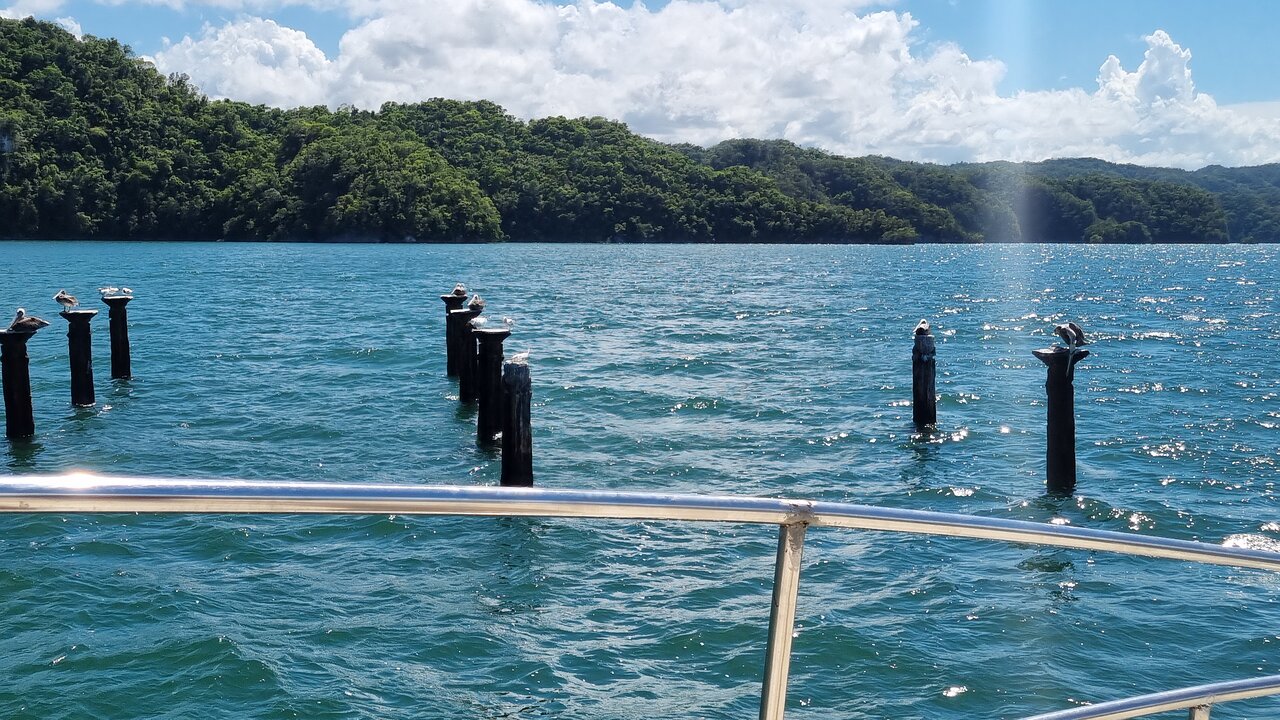
These coastal birds are associated more strongly with open water and coastal habitats than with freshwater marsh interiors. They are nevertheless part of the wider bird community of Los Haitises.
Fish and aquatic invertebrates
Wetlands provide feeding and shelter environments for aquatic organisms.
Depending on salinity and habitat type, these can include fish, crabs, shrimp, aquatic insects and other invertebrates.
Amphibians and reptiles
Wet and vegetated areas can provide suitable conditions for amphibians and reptiles. The species present depend on the particular habitat and local environmental conditions.
Wildlife presence should never be guaranteed in a travel itinerary. Animals may be hidden, seasonal or simply absent from a visitor's route during a particular trip.
8. How Wetlands Support Food Chains
Wetlands are productive ecosystems because they contain water, vegetation and organic material that support a wide variety of organisms.
Their food webs involve several connected groups.
Producers
Plants, algae and other photosynthetic organisms use sunlight to produce organic matter.
Primary consumers
Some insects, snails, crustaceans and other organisms feed on plants, algae or decaying organic material.
Secondary consumers
Fish, amphibians, aquatic insects and other predators feed on smaller organisms.
Birds and larger predators
Wading birds and other predators feed on fish, crabs, insects and other animals found in wetland environments.
Decomposers
Bacteria and fungi break down dead plants and animals, helping return nutrients to the ecosystem.
This continuous exchange of energy and nutrients supports wetland biodiversity.
9. Wetlands and Mangroves Help Protect Coastal Areas
Coastal wetlands and mangrove forests can reduce some of the impacts of waves, currents and storms.
Their roots and vegetation interact with water and sediment, helping stabilize shorelines in suitable locations.
Mangrove forests can provide several coastal protection functions:
- Roots help bind sediment.
- Vegetation slows water movement.
- Forest structure can reduce wave energy.
- Mangrove areas provide sheltered habitat for coastal organisms.
- Sediment accumulation can contribute to the development of coastal surfaces.
These benefits depend on forest width, vegetation condition, water depth, storm intensity and coastal geography.
Mangroves are not a complete barrier against every storm or coastal hazard. Their value is as one part of a wider natural coastal protection system.
10. The Role of Wetlands in Water Quality
Wetlands can influence water quality through physical, chemical and biological processes.
As water moves through wetland vegetation and soils, some suspended particles may settle. Plants and microorganisms can also participate in nutrient transformations.
These processes may help retain or transform certain materials, although wetlands do not remove every pollutant and should never be treated as substitutes for proper wastewater treatment.
Sediment retention
Slow-moving water can allow some suspended particles to settle.
Nutrient cycling
Wetland plants and microorganisms take up, release and transform nutrients as part of natural ecological processes.
Organic matter decomposition
Microorganisms break down dead plant material and other organic matter.
Water movement
Wetlands can temporarily retain water and slow its movement through parts of the landscape.
The effectiveness of these functions varies with wetland size, vegetation, hydrology and the type and amount of pollution entering the system.
11. Why Wetland Conditions Change Throughout the Year
Wetlands are dynamic environments. Their water levels, vegetation and wildlife can change over time.
Rainfall is one important influence. During wetter periods, some wetlands may expand or become deeper. During drier periods, water levels may decline.
Coastal wetlands also experience tidal changes, meaning that water levels can rise and fall over short periods.
Other factors include:
- Groundwater levels.
- River and channel flows.
- Sediment movement.
- Vegetation growth.
- Storms and extreme weather.
- Changes in surrounding land use.
For visitors, this means that the appearance of a wetland can differ from one visit to another.
A wetland photographed during a rainy period may look very different from the same location during a drier period.
12. Threats Facing Wetlands in Los Haitises
Wetlands are vulnerable to activities that change water quality, vegetation and natural drainage.
The long-term ecological condition of a wetland depends on the wider landscape around it.
Pollution
Wastewater, rubbish, fuel and chemicals can affect wetland water quality and harm wildlife.
Drainage changes
Draining, filling or modifying wetland areas can change natural water levels and destroy habitat.
Vegetation removal
Removing trees and other wetland plants can reduce habitat quality and expose sediment to erosion.
Agricultural pressure
Land-use changes around wetlands can increase runoff, alter drainage and introduce nutrients or chemicals.
Sediment disturbance
Excessive sediment entering wetland environments can affect water depth, vegetation and aquatic habitats.
Climate and extreme weather
Changes in rainfall, sea level and storm intensity can influence coastal and freshwater wetlands. The effects may vary among habitats.
A 2005 study of land-use change in the Los Haitises region found differences in soil properties and nutrient processes between undisturbed forest, regenerating forest and active agricultural sites. This research illustrates why changes in surrounding land use matter when considering the health of the wider landscape.
13. How Wetland Conservation Helps Protect Los Haitises
Wetland conservation involves protecting both the wetland itself and the environmental processes that keep it functioning.
Important conservation measures include:
- Protecting natural vegetation around wetlands.
- Preventing rubbish and untreated wastewater from entering water bodies.
- Maintaining natural water flow and drainage.
- Avoiding unnecessary filling or modification of wetland areas.
- Monitoring water quality and water levels.
- Protecting mangrove forests and their regeneration.
- Preventing disturbance to wildlife and nesting habitats.
- Supporting scientific research and long-term ecological monitoring.
Wetland protection should also consider the surrounding catchment and groundwater system. A wetland can be affected by changes that occur outside its immediate boundary.
14. Can Visitors Explore the Wetlands of Los Haitises?
Visitors can experience parts of the park's wetland environment through authorized boat excursions, mangrove channels and approved nature activities.
The official Dominican Republic tourism authority describes boat exploration and kayaking through the park's mangrove system.
These activities can provide opportunities to observe:
- Mangrove roots and coastal vegetation.
- Narrow waterways.
- Limestone formations rising above the water.
- Coastal birds.
- The transition between land and marine environments.
However, not every marsh, swamp or wetland is a public visitor site.
Some areas are ecologically sensitive or inaccessible. Visitors should remain on authorized routes and follow instructions from their guides and park authorities.
Tips for a responsible wetland visit
- Keep noise low around birds and wildlife.
- Never throw rubbish into the water.
- Avoid touching or removing plants.
- Do not feed animals.
- Stay inside authorized boat or kayak routes.
- Follow the guide's instructions.
- Avoid disturbing nesting or resting wildlife.
A good wetland visit is about observing the ecosystem without changing it.
15. Why Wetlands Are Essential to the Identity of Los Haitises
The wetlands of Los Haitises are an essential part of the park's natural character.
They connect limestone landscapes with freshwater environments, rivers and coastal habitats. Their vegetation provides shelter and feeding areas for wildlife, while their soils and water systems influence the movement of nutrients and sediment.
The park's mangroves are among its most recognizable wetland features, but the wider landscape also includes freshwater and marsh environments that deserve attention.
Understanding these different habitats makes it easier to appreciate why Los Haitises is more than a collection of caves, hills and scenic waterways.
Its wetlands help maintain the ecological relationships that make the park valuable for biodiversity and conservation.
Frequently Asked Questions
1. What types of wetlands are found in Los Haitises?
The wider Los Haitises landscape includes mangrove wetlands and freshwater wetland environments such as marshes and swamps. Coastal and estuarine habitats are also important parts of the region.
2. Are the wetlands of Los Haitises connected to groundwater?
Yes. Scientific research describes numerous wetlands in the Los Haitises karst environment as linked to groundwater. The contribution of groundwater varies by location.
3. Are mangroves considered wetlands?
Yes. Mangrove forests are coastal wetlands because they grow in water-influenced environments affected by tides and often brackish or saline conditions.
4. Which mangrove species occur in Los Haitises?
Ecological research in the park's coastal mangroves identifies red mangrove, white mangrove and black mangrove. Their abundance varies across different sites.
5. What wildlife lives in the wetlands?
Wetland environments can support wading birds, fish, crabs, shrimp, aquatic insects, amphibians and reptiles. Specific species vary by habitat and season.
6. Why are wetlands important for birds?
Wetlands provide feeding, resting and sometimes nesting habitats. Shallow water and wetland vegetation can support fish, insects and other food sources.
7. Do wetlands help reduce flooding?
Wetlands can temporarily store water and slow its movement through the landscape. Their ability to reduce flood impacts depends on their size, condition, location and the amount of rainfall.
8. Do mangroves protect the coast?
Mangrove roots and vegetation can stabilize sediment and reduce some wave energy. They provide valuable natural coastal protection but cannot prevent every storm or coastal hazard.
9. Are wetlands freshwater or saltwater?
Both types occur in the wider Los Haitises landscape. Freshwater wetlands are influenced by rainfall, runoff and groundwater, while coastal mangroves and estuarine areas are influenced by tides and seawater.
10. Can tourists visit the wetlands?
Visitors can experience authorized mangrove waterways and other approved nature routes through guided excursions. Not all wetlands are open to tourism.
11. What are the biggest threats to wetlands?
Potential threats include pollution, drainage changes, vegetation removal, agricultural pressure, excessive sediment and climate-related changes.
12. How can visitors help protect the wetlands?
Visitors can avoid littering, stay on authorized routes, keep noise low, avoid disturbing wildlife and follow all park instructions.
Final Thoughts
The wetlands of Los Haitises National Park are among the most important parts of its natural environment. From freshwater marshes and swamp habitats to coastal mangrove forests, these ecosystems support wildlife and help regulate water movement throughout the region.
Their connection with rivers, groundwater and coastal processes makes them especially valuable. Protecting them requires more than keeping the water clean. It also means maintaining vegetation, natural drainage and the ecological relationships that allow wetland habitats to function.
When visitors explore Los Haitises, the wetlands offer a chance to understand the park's biodiversity from a different perspective.
Protecting the wetlands means protecting the water, vegetation and wildlife that help make Los Haitises a remarkable natural landscape.
Local explorer & expert guide in El Limón Waterfall.