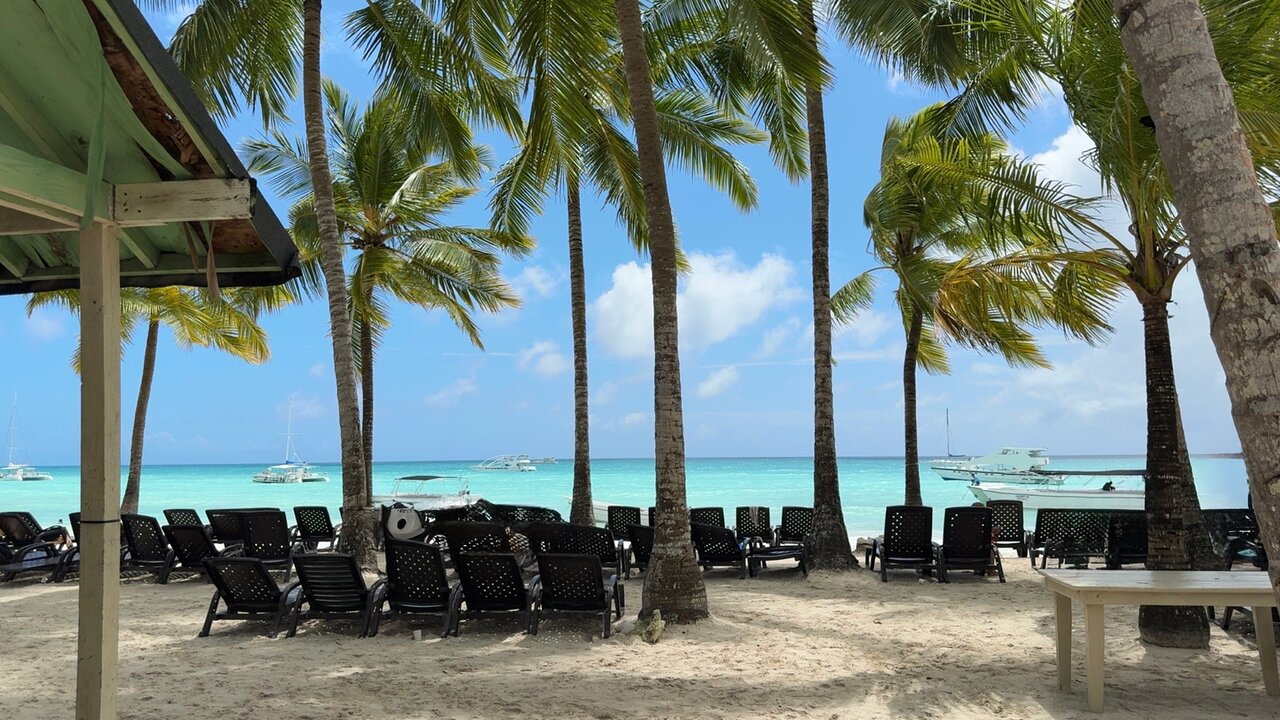
Saona Island Coastal Desalination: Reverse Osmosis, Membrane Systems and Sustainable Freshwater Supply
Introduction
Freshwater is essential for drinking, cooking, sanitation, tourism, healthcare, construction and environmental management. However, coastal islands may face particular challenges in securing reliable freshwater supplies because of limited land area, seasonal demand, groundwater conditions and the distance from mainland water infrastructure.
Desalination is one engineering approach that can convert saline water into freshwater. By removing dissolved salts and other contaminants, a properly designed desalination system can provide water for applications that require controlled water quality.
For island environments such as Saona Island in the Dominican Republic, seawater desalination is an interesting subject for water-resource planning and coastal engineering. A feasibility study could examine whether a carefully designed system would complement other water sources while protecting marine ecosystems.
This article explores the engineering principles of desalination, especially seawater reverse osmosis (SWRO), and explains how a potential island water-supply system could be evaluated.
It is important to clarify that this article does not claim that a seawater desalination plant currently operates on Saona Island. Any proposed system would require site-specific water testing, demand assessment, environmental review, engineering design and regulatory approval.
1. What Is Seawater Desalination?
Desalination is the process of removing dissolved salts and other unwanted substances from saline water to produce water with a lower salt concentration.
Seawater contains dissolved ions, including sodium, chloride, magnesium, calcium, potassium and sulfate.
These substances must be reduced to appropriate levels before seawater can be used as drinking water.
Desalination technologies generally fall into two main groups:
Membrane-based desalination: Uses selective membranes to separate water from dissolved salts.
Thermal desalination: Uses heat to evaporate water and then condense the resulting vapour.
Reverse osmosis is a widely used membrane-based desalination process. Thermal methods include multi-stage flash distillation and multi-effect distillation.
The most appropriate technology depends on the available energy supply, feedwater characteristics, plant capacity, operating expertise, environmental conditions and water-quality requirements.
2. Why Could Desalination Be Relevant to Saona Island?
Island water planning requires an understanding of both freshwater demand and the availability of suitable water sources.
Potential factors to investigate include:
- Seasonal visitor numbers
- Household water demand
- Water requirements for sanitation
- Local water-storage capacity
- Groundwater availability and quality
- Rainwater collection potential
- Existing water distribution arrangements
- Energy availability
- Water transportation requirements
Desalination could be considered as one possible component of a diversified freshwater strategy.
However, it should not automatically be selected as the first option. Rainwater harvesting, leakage reduction, water-efficient fixtures, storage improvements and responsible groundwater management may also contribute to reliable water supply.
A proper feasibility study should compare these alternatives before selecting a technology.
3. Main Types of Desalination Technologies
3.1 Reverse Osmosis
Reverse osmosis uses pressure to move water through a semipermeable membrane.
The membrane allows much of the water to pass while rejecting most dissolved salts.
The system produces two main streams:
- Permeate: the lower-salinity product water.
- Concentrate: the remaining water containing a higher concentration of salts.
The process requires high-pressure pumps, pretreatment equipment, membrane modules and a system for managing the concentrate.
3.2 Multi-Stage Flash Distillation
Multi-stage flash (MSF) is a thermal desalination process.
Heated saline water passes through a sequence of chambers maintained at progressively lower pressures. A portion of the water flashes into vapour, which is condensed to produce freshwater.
MSF can be useful in particular large-scale applications where suitable thermal energy is available.
3.3 Multi-Effect Distillation
Multi-effect distillation (MED) uses a series of evaporation stages called effects.
Vapour generated in one effect supplies heat to another effect operating at a lower pressure.
This arrangement allows heat to be reused across multiple stages.
3.4 Electrodialysis
Electrodialysis uses an electrical potential and ion-selective membranes to move dissolved ions through a series of compartments.
It is generally more suitable for brackish water than typical open-ocean seawater because the energy requirements increase with the amount of salt that must be removed.
3.5 Technology Selection
For a proposed island seawater system, reverse osmosis would be an important technology to assess because it uses membrane separation rather than a large thermal evaporation process.
Nevertheless, final selection should follow a technical and economic comparison rather than assuming that one method is appropriate for every site.
4. Understanding Reverse Osmosis
Osmosis is the natural movement of water through a selectively permeable membrane in response to differences in water chemical potential.
Reverse osmosis applies external pressure to overcome the natural osmotic tendency and drive water through the membrane in the opposite direction.
A simplified relationship for water transport can be expressed as:
Q = A × Lp × (ΔP − Δπ)
Where:
- Q = water flow rate through the membrane
- A = membrane surface area
- Lp = water permeability coefficient
- ΔP = applied hydraulic pressure difference
- Δπ = osmotic pressure difference
The actual behaviour of a membrane system also depends on concentration polarization, temperature, membrane condition, feedwater composition and operating configuration.
The feedwater is separated into a low-salinity permeate stream and a concentrated reject stream.
A desalination plant therefore does not simply remove salt and make it disappear. It separates the incoming water into different streams that must both be managed.
5. Main Components of a Seawater Reverse Osmosis Plant
A typical seawater reverse osmosis plant includes several interconnected systems.
5.1 Seawater Intake
The intake system brings seawater into the plant.
Possible intake arrangements include:
- Open-water intake structures
- Subsurface beach wells
- Infiltration galleries
- Other screened coastal intake systems
The selection depends on coastal geology, water depth, seabed conditions, marine habitats, water quality and construction feasibility.
An open intake may require screening and extensive pretreatment. A suitable subsurface intake can sometimes provide naturally filtered feedwater, but its performance depends strongly on local geology and hydrogeology.
5.2 Pretreatment System
Raw seawater can contain suspended particles, algae, microorganisms, organic matter and other substances that may damage or foul RO membranes.
Pretreatment reduces these materials before the water reaches the high-pressure membrane system.
Possible treatment stages include:
- Screening
- Coagulation
- Flocculation
- Sedimentation
- Media filtration
- Cartridge filtration
- Microfiltration
- Ultrafiltration
- Chemical conditioning
Not every plant requires every stage.
The pretreatment design must be based on actual feedwater analysis and seasonal changes in water quality.
5.3 High-Pressure Pump
The high-pressure pump supplies the pressure required to overcome the osmotic pressure of seawater and drive water through the membrane.
Pump selection depends on:
- Feedwater salinity
- Required product capacity
- Membrane operating conditions
- System pressure losses
- Desired recovery
- Energy efficiency
A properly designed pump system is essential for reliable operation.
5.4 Membrane Modules
Membrane modules contain the selective membrane elements.
Spiral-wound membrane modules are widely used in seawater reverse osmosis systems.
Water moves through the membrane while most dissolved salts are retained in the concentrate stream.
Membrane performance depends on operating pressure, temperature, feedwater quality, recovery and membrane condition.
5.5 Energy Recovery Device
The concentrate stream leaves the membrane system at relatively high pressure.
An energy recovery device can transfer some of this pressure energy to incoming feedwater.
This reduces the additional energy required from the high-pressure pumping system.
Energy recovery is particularly important when designing efficient seawater desalination plants.
5.6 Post-Treatment System
Fresh permeate from reverse osmosis is not automatically ready for distribution.
Post-treatment may include:
- pH adjustment
- Remineralisation
- Calcium and alkalinity adjustment
- Disinfection
- Final filtration
- Water-quality monitoring
These steps help produce stable water suitable for the intended use.
6. Important Design Parameters
A seawater desalination system must be designed using measured feedwater characteristics and clearly defined product-water requirements.
Important parameters include:
Total Dissolved Solids
Total dissolved solids (TDS) represent the concentration of dissolved substances in water.
TDS is commonly expressed in milligrams per litre (mg/L).
Higher salinity generally increases the osmotic pressure that must be overcome during reverse osmosis.
Feedwater Temperature
Water temperature affects membrane permeability and system performance.
The design should consider seasonal temperature variations rather than relying on a single measurement.
Turbidity
Turbidity indicates the presence of suspended particles that scatter light.
High turbidity can increase the risk of membrane fouling and may require more effective pretreatment.
pH
The pH of feedwater influences chemical conditioning, scaling behaviour and membrane compatibility.
Recovery Ratio
Water recovery describes the fraction of feedwater converted into product water.
It can be expressed as:
Recovery (%) = (Permeate flow / Feedwater flow) × 100
For example, if a hypothetical plant receives 100 m³ of seawater and produces 40 m³ of permeate, its recovery is 40%.
This is an illustrative calculation, not a proposed operating target for Saona Island.
Increasing recovery reduces the volume of concentrate but raises its salinity and can increase scaling and operating challenges.
Salt Rejection
Salt rejection describes the proportion of dissolved salts retained by the membrane.
A simplified expression is:
Salt rejection (%) = [1 − (Permeate concentration / Feed concentration)] × 100
Actual plant performance should be evaluated using appropriate sampling, temperature correction and operating data.
7. Membrane Fouling and Scaling
Membrane fouling is one of the major operational challenges in seawater desalination.
Fouling occurs when unwanted substances accumulate on membrane surfaces or within membrane structures.
Common categories include:
Particulate Fouling
Fine suspended particles may accumulate and obstruct water flow.
Organic Fouling
Natural organic matter and other compounds can accumulate on membrane surfaces.
Biofouling
Microorganisms can attach to surfaces and develop biological layers.
Inorganic Scaling
Dissolved minerals may precipitate and form deposits when their solubility limits are exceeded.
Scaling can reduce membrane performance and increase operating pressure.
Fouling Prevention
A suitable control strategy may include:
- Effective intake screening
- Pretreatment filtration
- Proper chemical dosing
- Feedwater monitoring
- Appropriate recovery control
- Regular membrane cleaning
- Preventive maintenance
The correct strategy depends on the chemistry and biological characteristics of the source water.
8. Energy Consumption and Efficiency
Seawater desalination requires energy, especially for high-pressure pumping.
Energy consumption is influenced by:
- Feedwater salinity
- Membrane characteristics
- Recovery ratio
- Pump efficiency
- Pressure losses
- Pretreatment requirements
- Product-water quality
- Energy recovery performance
Specific energy consumption is commonly expressed in kilowatt-hours per cubic metre of product water (kWh/m³).
It is important to distinguish the energy consumption of the RO unit from the total energy consumption of the entire water-supply system.
The complete system may also require energy for seawater intake, pretreatment, post-treatment, product-water pumping, storage and distribution.
Solar photovoltaic power could be investigated as a possible electricity source for an island desalination facility.
However, solar-powered desalination requires appropriate system sizing, power electronics, energy management, storage or operational flexibility, and reliable arrangements for periods of low solar generation.
9. Brine Management and Marine Environmental Protection
Desalination produces a concentrated saline stream commonly called brine or concentrate.
Brine management is one of the most important environmental considerations in coastal desalination.
If concentrate is discharged without adequate assessment and dispersion, it may create locally elevated salinity and affect sensitive marine organisms.
Potential environmental concerns include:
- Changes in local salinity
- Concentrated treatment chemicals
- Impacts on seafloor organisms
- Intake-related marine organism losses
- Construction-related disturbance
- Noise and other operational effects
9.1 Brine Discharge Design
A discharge system may include an engineered outfall and diffuser arrangement.
The design aims to promote appropriate mixing and dispersion while avoiding unacceptable environmental effects.
Important factors include:
- Receiving-water depth
- Ambient currents
- Water-column stratification
- Seabed characteristics
- Sensitive habitats
- Discharge salinity
- Discharge temperature
- Seasonal conditions
The outfall location and diffuser design should be determined through field surveys and environmental modelling.
9.2 Alternatives to Direct Discharge
Depending on the site and applicable requirements, a study may evaluate:
- Improved concentrate dilution
- Concentrate volume reduction
- Recovery of selected minerals
- Further brine treatment
- Alternative disposal approaches
These options must be assessed for energy demand, cost, operational complexity and environmental performance.
Zero-liquid-discharge systems can reduce liquid waste but may require substantial additional energy and specialised equipment. They are not automatically the most sustainable solution for a small coastal plant.
10. Product-Water Quality and Drinking-Water Safety
Desalinated water requires careful post-treatment and monitoring.
Reverse osmosis removes much of the dissolved mineral content, but the resulting water may be chemically unstable and corrosive to distribution infrastructure.
Remineralisation can add calcium and alkalinity, while pH adjustment helps stabilise the finished water.
Disinfection provides an additional barrier against microbial contamination during storage and distribution.
Monitoring may include:
- TDS
- Electrical conductivity
- pH
- Turbidity
- Alkalinity
- Hardness
- Chloride
- Boron
- Relevant metals
- Microbiological indicators
- Disinfectant residual
Boron deserves particular attention because some seawater RO membranes may not remove it sufficiently under all operating conditions.
Where necessary, additional treatment or a second-pass RO stage may be evaluated.
The World Health Organization's drinking-water guidance discusses desalinated-water risks, including remineralisation and water-safety planning. A complete water safety plan should cover the source, treatment plant, storage and distribution network.
11. Water Storage and Distribution
Producing freshwater is only one part of a reliable island water-supply system.
The finished water must also be stored, transported and distributed safely.
Potential components include:
- Product-water storage tanks
- Elevated storage reservoirs
- Distribution pumps
- Pipeline networks
- Flow meters
- Pressure-control valves
- Leak-detection systems
- Water-quality monitoring points
Storage is particularly important where water demand changes throughout the day or season.
A system should be designed for peak demand, emergency supply and planned maintenance.
For a small or remote community, modular treatment units and appropriately sized storage may provide operational flexibility.
12. Estimating Freshwater Demand
A feasibility study should begin with an estimate of the required product-water capacity.
A simplified demand equation is:
Daily demand = Population × Per-capita demand
For an island with different user groups, a more detailed estimate could include:
- Permanent residents
- Seasonal workers
- Day visitors
- Overnight visitors
- Restaurants and accommodation
- Public facilities
- Other essential services
The demand assessment should also consider:
- Peak-day requirements
- Seasonal variations
- Distribution losses
- Emergency reserves
- Plant downtime
- Future demand growth
A plant should not be sized solely using average daily demand.
Adequate storage and operational redundancy may be more practical than designing an oversized plant for every short-term peak.
13. Civil Engineering Considerations
Desalination facilities require careful civil and structural engineering.
Site Selection
Potential sites should be evaluated for:
- Elevation and coastal exposure
- Ground conditions
- Flood and storm-surge exposure
- Access for maintenance
- Distance from intake and outfall
- Proximity to distribution infrastructure
- Environmental sensitivity
Foundation Design
The plant's foundations must support pumps, pressure vessels, tanks, filtration equipment and buildings.
Geotechnical investigation should determine soil strength, settlement characteristics, groundwater conditions and potential corrosion exposure.
Structural Design
Buildings and equipment supports should account for coastal wind conditions, salt exposure, drainage, vibration and maintenance access.
Corrosion Protection
Coastal air and saline water can accelerate corrosion of metallic equipment and structural components.
Material selection, protective coatings, appropriate detailing and inspection programmes are important.
Drainage and Flood Protection
The plant should be designed to manage heavy rainfall, surface runoff and potential coastal flooding.
Critical electrical and control equipment should receive appropriate protection.
14. A Proposed Desalination Feasibility Framework for Saona Island
A potential desalination project should begin with a structured investigation rather than immediately selecting equipment.
Stage 1 – Water Demand Assessment
Estimate present and future freshwater demand for residents, visitors and essential services.
Stage 2 – Source-Water Investigation
Collect seawater samples and analyse salinity, temperature, turbidity, organic matter, microorganisms and relevant chemical constituents.
Stage 3 – Site Investigation
Evaluate potential intake and plant locations, ground conditions, access, coastal processes and environmental sensitivity.
Stage 4 – Technology Comparison
Compare seawater RO with other technically suitable desalination and freshwater-supply alternatives.
Stage 5 – Preliminary Engineering Design
Develop preliminary layouts for intake, pretreatment, high-pressure pumping, membranes, energy recovery, post-treatment, storage and distribution.
Stage 6 – Energy Assessment
Estimate total energy requirements and evaluate grid electricity, solar integration and other feasible supply arrangements.
Stage 7 – Brine and Environmental Assessment
Investigate concentrate characteristics, outfall options, marine habitats and potential impacts.
Stage 8 – Economic and Operational Assessment
Evaluate capital costs, operating costs, membrane replacement, chemicals, labour, maintenance, energy and lifecycle requirements.
Stage 9 – Pilot Testing
Where necessary, conduct pilot testing to confirm feedwater treatment requirements, membrane performance and operational reliability.
Stage 10 – Approval and Implementation
Proceed only after the necessary technical reviews, environmental assessment, permits and operational arrangements are established.
This framework is a proposed research approach, not a statement that a project has been approved or constructed.
15. Frequently Asked Questions
What is seawater desalination?
Seawater desalination is the process of removing dissolved salts from seawater to produce water with a lower salt concentration.
What is the most common membrane desalination technology?
Reverse osmosis is a widely used membrane-based desalination technology. It uses pressure to separate water from most dissolved salts.
Can reverse osmosis produce drinking water?
Yes, but the permeate must be appropriately stabilised, disinfected and monitored before distribution as drinking water.
Does desalination produce waste?
Yes. Reverse osmosis produces a concentrated saline stream called brine or concentrate. It must be managed responsibly.
Is solar energy suitable for desalination?
Solar electricity can power desalination equipment, including RO systems. However, the design must address variable solar generation, storage, energy management and system reliability.
Why is pretreatment necessary?
Pretreatment reduces suspended solids, organic matter and biological material that can foul or damage RO membranes.
Does reverse osmosis remove every dissolved substance?
No. Membrane rejection varies by substance and operating conditions. Some compounds, including boron, may require additional treatment or careful monitoring.
Could desalination support freshwater planning for Saona Island?
It could be evaluated as one possible option. Whether it is technically, environmentally and economically suitable requires site-specific research.
Is a desalination plant already confirmed on Saona Island?
This article does not claim that such a facility exists. It presents an engineering concept and a proposed feasibility-study framework.
Conclusion
Coastal desalination is an important water-resource engineering option for locations where conventional freshwater supplies may be limited.
Seawater reverse osmosis combines intake systems, pretreatment, high-pressure pumping, selective membranes, energy recovery and post-treatment to produce freshwater. However, successful operation depends on much more than the membrane technology itself.
Energy efficiency, water quality, brine management, marine environmental protection, maintenance and distribution infrastructure must all be considered.
For Saona Island, a desalination feasibility study could compare seawater RO with rainwater harvesting, groundwater management, storage and water-demand reduction. A responsible decision would depend on measured local conditions, engineering analysis and environmental review.
The long-term goal should be a reliable freshwater strategy that meets human needs while protecting the coastal and marine environment.

Local explorer & expert guide in El Limón Waterfall.


