Limpkin in Los Haitises: The Snail-Eating Bird of Tropical Wetlands
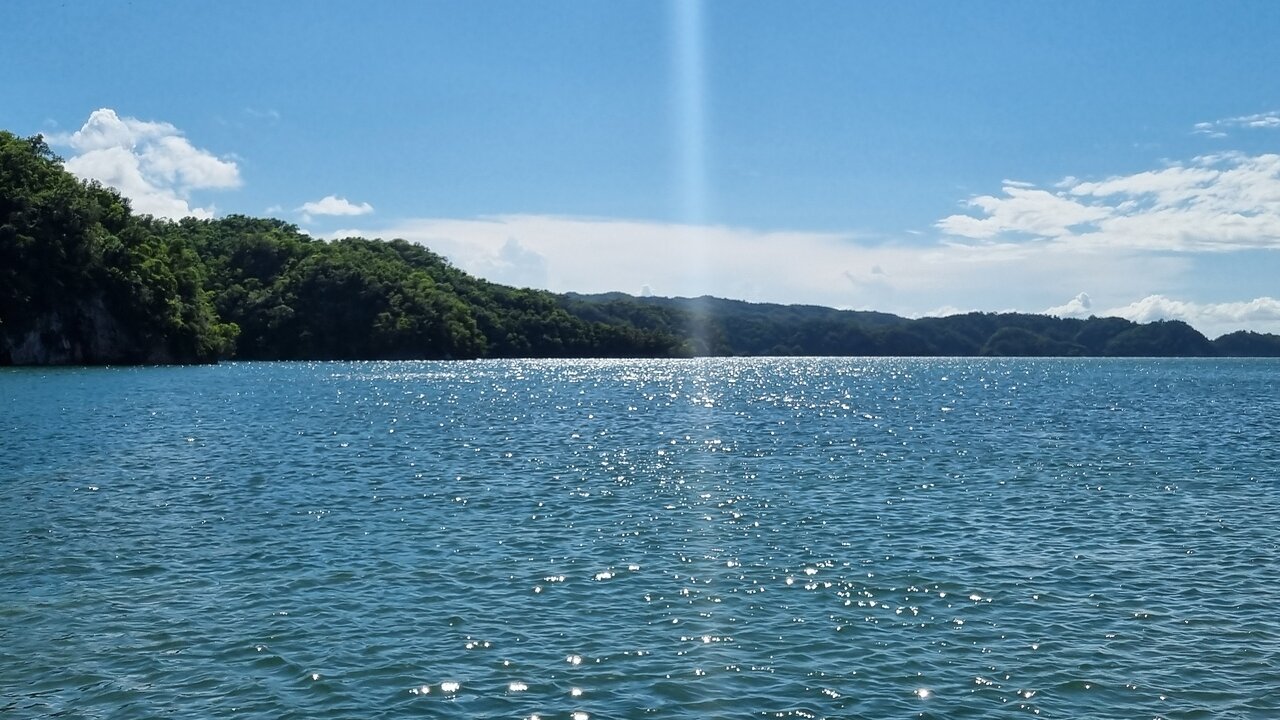
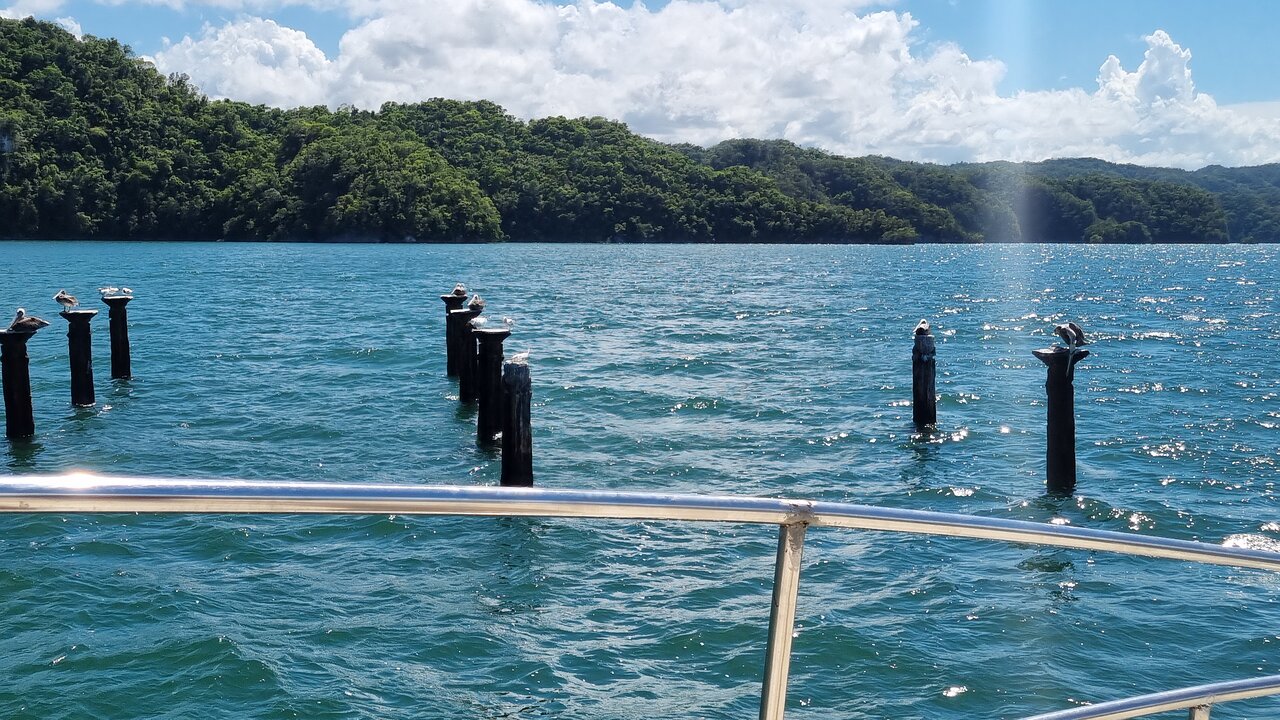
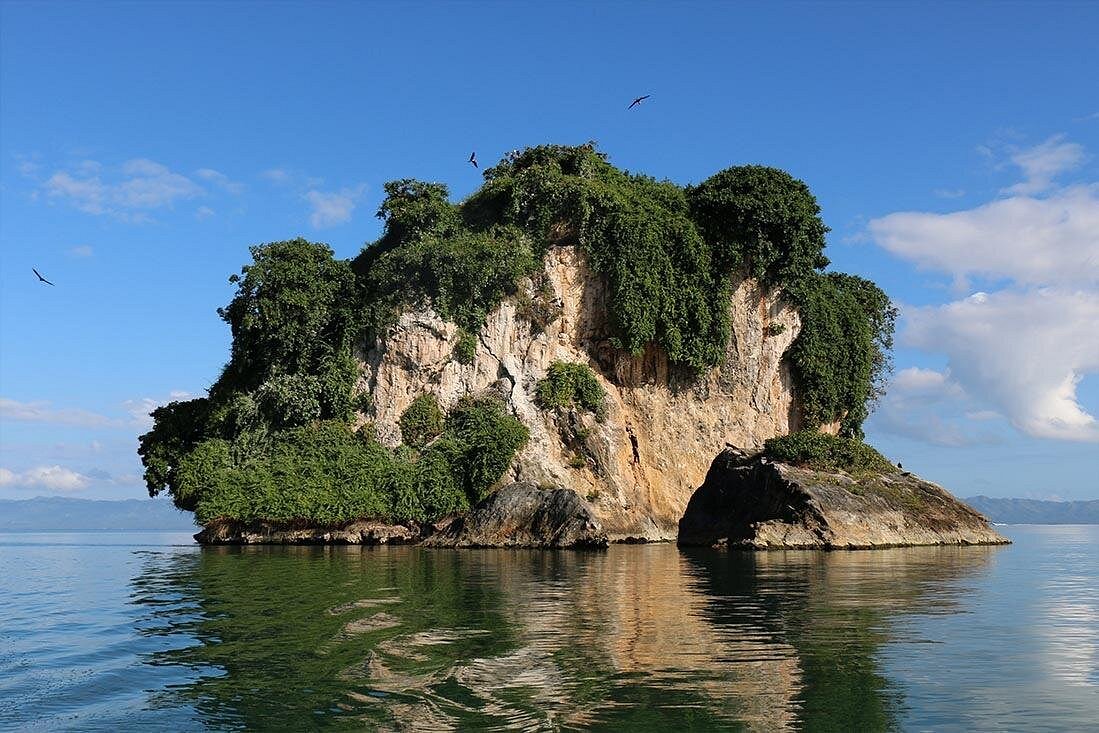
Los Haitises National Park is a landscape of waterways, mangrove forests, limestone formations and wetlands that support a wide variety of wildlife. Some birds are easy to notice as they fly above the water or rest along exposed branches. Others are more closely associated with shallow wetlands, where they search for food among aquatic plants and muddy edges.
One particularly unusual species in the park's recorded birdlife is the Limpkin (Aramus guarauna). This long-legged bird is famous for its unusual bill and its preference for freshwater snails. Its feeding technique is so specialized that a pile of empty snail shells can sometimes reveal where a Limpkin has been feeding.
The Limpkin is included in the Avibase checklist for Los Haitises National Park. The checklist records 183 species for the area, although a checklist entry does not guarantee that a visitor will encounter a particular bird on a specific route or date. Avibase — Los Haitises National Park checklist
For nature enthusiasts visiting the region around Sabana de la Mar, the Limpkin offers an interesting example of how birds adapt to the food and conditions available in tropical wetlands.
What Is a Limpkin?
The Limpkin is a large wading bird belonging to the family Aramidae. Its scientific name is Aramus guarauna. Although it resembles a heron or a large rail at first glance, it belongs to its own distinct bird family.
It has a long neck, long legs, a relatively large body and a long bill that curves slightly downward. Its brown plumage is marked with white spots and streaks, particularly around the head, neck and upper body.
The bird is sometimes called the Carrao in Spanish-speaking parts of its range. It is also known for its loud, unusual calls, which can sound like a drawn-out wail.
Unlike many generalist wading birds, the Limpkin has a strong association with freshwater snails. Its bill is adapted to handling and opening snail shells, making it one of the most recognizable specialist feeders among tropical wetland birds. Cornell Lab of Ornithology
How to Identify a Limpkin
The Limpkin's size, plumage and distinctive bill make it easier to recognize than many small marsh birds. However, it can still be confused with other long-legged waterbirds when viewed from a distance.
1. Long legs and neck
The Limpkin has long legs that allow it to walk through shallow water and along muddy wetland edges. Its long neck helps it reach down toward prey in the water or among aquatic plants.
2. Brown body with white markings
Its overall color is brown, with noticeable white spots and streaks on the head, neck and upper body. These markings create a speckled appearance.
3. Long, slightly curved bill
The bill is one of the most important identification features. It is long and slightly downcurved, with a specialized tip used to manipulate snails and other molluscs.
4. Tall, somewhat heron-like shape
A Limpkin standing beside a wetland can look somewhat like a heron. However, its heavier body, distinctive plumage and specialized bill help separate it from typical herons.
5. Unusual walking behavior
The bird often walks slowly along the water's edge while searching for food. Its gait can appear uneven, which is thought to have inspired the English name "Limpkin."
For a reliable identification, look at the complete combination of body shape, markings, bill and behavior rather than relying on one feature. Cornell Lab of Ornithology — Identification
Why Is the Limpkin Known as a Snail-Eating Bird?
The Limpkin is especially well known for feeding on freshwater snails. In parts of its range, apple snails of the genus Pomacea are a major food source.
Its bill has a narrow, slightly separated tip that works somewhat like a pair of tweezers. This helps the bird grip and manipulate a snail so it can remove the soft animal from its shell.
The process is different from simply swallowing a small insect or picking fish from the water. A Limpkin may handle a snail carefully, position it and use its bill to reach the edible portion.
This feeding specialization is why the bird is often associated with snail-rich wetlands. Where suitable snails are abundant, the habitat may provide important feeding opportunities.
It is important not to assume that every Limpkin in every part of its range eats exactly the same snail species. Its diet depends on the molluscs and other food resources available in its local environment. Cornell Lab of Ornithology — Life History
How Does a Limpkin Remove a Snail From Its Shell?
The Limpkin's feeding technique is one of the most fascinating parts of its natural history.
First, it searches shallow water, wet vegetation or muddy edges for suitable prey. When it finds a snail, it grips and manipulates the shell with its specialized bill.
The narrow bill tip helps the bird reach the soft body inside the shell. By using careful movements, it can separate the edible animal from the shell rather than swallowing the entire shell.
Limpkins often use familiar feeding locations repeatedly. Where food is abundant, discarded shells may accumulate in small piles. These shell deposits can be useful clues for naturalists studying the feeding activity of the bird.
However, an empty snail shell alone does not prove that a Limpkin was responsible. Other predators and natural processes can also leave empty shells behind.
Where Does the Limpkin Live?
Limpkins are associated mainly with freshwater wetlands. Their preferred habitats include:
- Shallow freshwater marshes
- Swamps and swamp forests
- Ponds and lakes
- Slow-moving waterways
- Wetland edges with aquatic vegetation
- Areas where freshwater snails are available
The bird's distribution is closely connected to suitable wetland conditions and food resources. It may forage along open water margins, among floating vegetation or in shallow areas where it can search for molluscs.
Los Haitises contains a mixture of coastal and wetland environments. Its waterways and surrounding habitats support a diverse bird community, and the Limpkin appears on the park's compiled bird checklist.
Nevertheless, it is useful to distinguish between the park's different habitats. The Limpkin is strongly associated with freshwater wetland feeding opportunities. It should not be described as a bird that depends exclusively on mangrove forests or that can be expected along every mangrove boat channel.
Is the Limpkin Found in the Dominican Republic?
Yes. The Limpkin's wider distribution includes parts of the Caribbean, Central America and South America, as well as Florida and other parts of the Americas.
The species is generally associated with tropical and subtropical wetland environments. Its presence in the Los Haitises checklist supports its inclusion in the area's recorded bird diversity.
That does not mean that the Limpkin is necessarily common at every location in the Dominican Republic. Local occurrence depends on suitable habitat, food availability and other environmental conditions.
For visitors to Sabana de la Mar and Los Haitises, the species is best understood as part of the region's recorded wildlife rather than a guaranteed attraction on a standard excursion.
What Does the Limpkin Eat Besides Snails?
Although snails are central to the Limpkin's feeding ecology, its diet can include other animals and plant material.
Depending on local food availability, it may consume:
- Freshwater snails
- Freshwater mussels
- Aquatic insects
- Worms
- Crustaceans
- Small amphibians
- Small reptiles
- Seeds and other plant material
Its feeding behavior changes with water clarity and the availability of prey. In clear, shallow water, a Limpkin may locate food visually. In more heavily vegetated or muddy areas, it can probe among plants and soft substrate.
This flexible feeding behavior helps the species use different wetland environments while maintaining its strong association with molluscs.
Why Is the Limpkin's Bill So Special?
The Limpkin's bill is a remarkable example of adaptation to a particular food source.
Many wading birds have long bills for catching fish, probing mud or picking up insects. The Limpkin's bill has a slightly curved shape and a specialized tip that helps it handle snails.
The tip can grip and manipulate the shell and reach the soft animal inside. This is especially useful when feeding on snails with hard protective shells.
The relationship between the bird's bill and its prey demonstrates how a species' physical features can develop in response to the food available in its environment.
For visitors, observing a Limpkin feeding would provide a memorable opportunity to see a specialized feeding behavior in action. Such an encounter should be considered a possibility, not something that can be promised on a tour.
What Sounds Does a Limpkin Make?
The Limpkin is known for its loud and unusual vocalizations. Its calls can be heard around wetlands, particularly during quieter periods.
Some calls have a drawn-out, wailing or screaming quality. The sound can be startling to someone who has never heard the bird before.
Vocal activity may be associated with communication and territorial behavior. In some areas, Limpkins are more often heard around dawn, dusk or at night, although their activity patterns vary with local conditions.
Listening carefully can help birdwatchers become aware of wildlife that may otherwise remain hidden. However, not every loud sound near a wetland belongs to a Limpkin. Other birds, frogs and insects can produce calls that carry over water.
If you hear an unfamiliar call while visiting Los Haitises, take time to observe quietly rather than approaching vegetation or disturbing wildlife.
Limpkin Compared With Other Wetland Birds in Los Haitises
The Limpkin may be confused with other long-legged birds, particularly when seen briefly or from a boat. Comparing its features with other species helps make identification easier.
BirdMain identification featuresLimpkinBrown body with white streaks and spots; long, slightly curved billGreat Blue HeronMuch larger heron with a long straight bill and gray-blue plumageGreat EgretWhite body, long neck and straight yellow billSpotted RailSmaller, compact rail with a distinctive spotted patternCommon GallinuleDark body, red frontal shield and red-and-yellow billWhite IbisWhite adult plumage and a long, downward-curved bill
The Limpkin's combination of brown-and-white markings and specialized bill is particularly useful. Unlike the white ibis, it is not predominantly white as an adult. Unlike herons, its bill has a distinctive curve and feeding adaptation.
These species occupy different ecological roles, even when they use some of the same broad wetland environments.
Is the Limpkin Endangered?
The Limpkin is currently classified as Least Concern on the global IUCN Red List assessment published in 2025. The assessment reports a stable global population trend. BirdLife International — IUCN Red List assessment
However, a Least Concern classification does not mean that every local population or wetland habitat is free from threats.
Wetland birds can be affected by:
- Drainage and conversion of wetlands
- Water pollution
- Changes in freshwater flow
- Loss of aquatic vegetation
- Declining availability of suitable prey
- Disturbance around feeding and nesting areas
Because the Limpkin depends strongly on wetland food resources, protecting healthy aquatic ecosystems is important for maintaining suitable habitat.
In Los Haitises, conservation of waterways, wetlands, mangroves and surrounding natural areas supports many species beyond the Limpkin.
Responsible Birdwatching in Los Haitises
Birdwatching is most rewarding when visitors observe wildlife without changing its natural behavior. The Limpkin's feeding areas and wetland habitats should be treated with care.
Follow these simple practices:
- Keep your distance: Use binoculars or a camera zoom instead of approaching a feeding bird.
- Avoid disturbing feeding areas: Do not chase a Limpkin away from the water's edge to obtain a photograph.
- Stay on permitted routes: Avoid entering marshes or trampling aquatic vegetation.
- Never feed wild birds: Allow wildlife to find its own natural food.
- Keep waterways clean: Do not leave plastic, food packaging or other waste behind.
- Follow local rules: Respect protected-area regulations and instructions from authorized personnel.
A responsible wildlife visit is not measured by the number of birds photographed. Understanding their habitats and observing them without disturbance are equally valuable parts of the experience.
Can You See a Limpkin on a Los Haitises Boat Tour?
The Limpkin is included in the park's bird checklist, but visitors should not assume that it will appear on every boat tour.
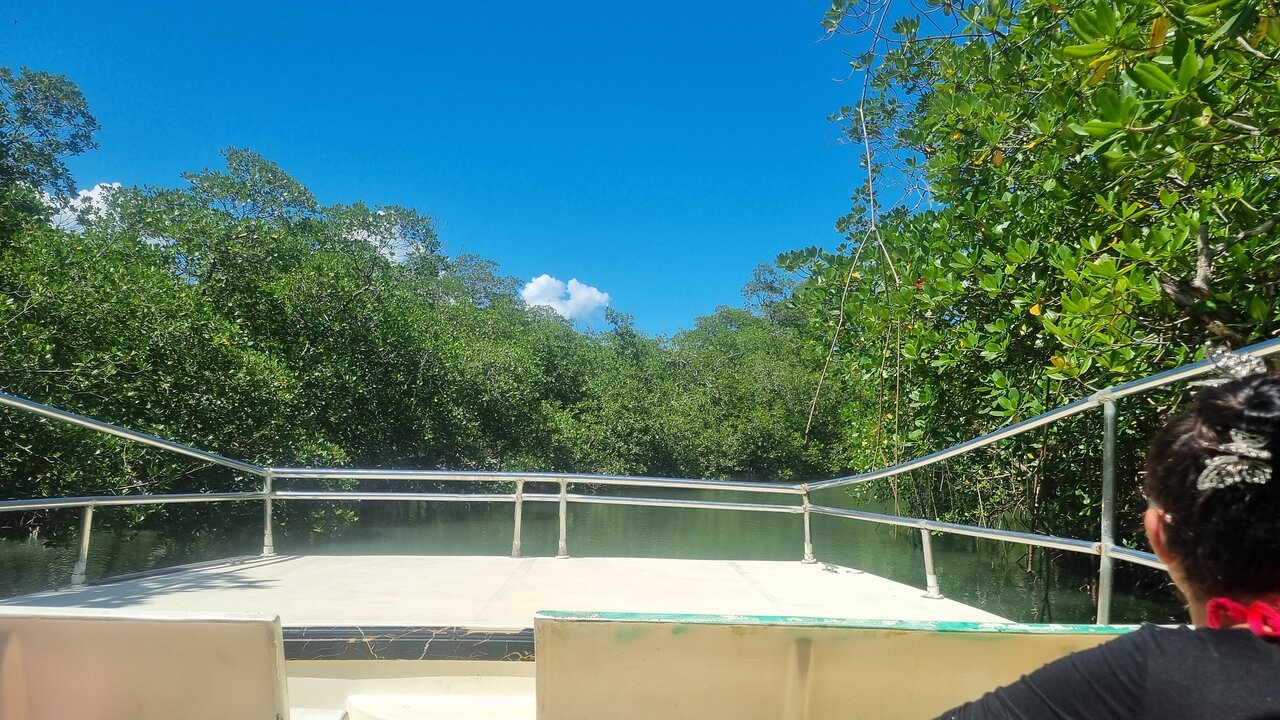
A standard excursion may travel through mangrove channels, coastal waterways, limestone formations and other scenic locations. These routes do not necessarily pass through the freshwater marsh habitats most suitable for Limpkin feeding.
If birdwatching is an important reason for your visit, ask the tour provider about the actual route, the habitats included and whether the excursion allows time for wildlife observation.
It is also worth confirming whether the activity is a general sightseeing trip or a bird-focused experience. Do not assume that a standard tour includes a specialist bird guide, dedicated wildlife stops or guaranteed sightings unless the provider explicitly confirms those details.
Visitors planning from Sabana de la Mar can use the town as a starting point for researching available excursions and transport options. Check the meeting point, departure arrangements and itinerary before making a booking.
Photography Tips for the Limpkin
A Limpkin can make an excellent wildlife photography subject because of its unusual bill, patterned plumage and feeding behavior.
If you encounter one, consider these techniques:
- Use a telephoto lens to photograph from a respectful distance.
- Focus on the eye and bill to show the bird's distinctive features.
- Look for opportunities to photograph it walking along shallow water.
- Use natural light to capture the fine white markings on its brown feathers.
- Avoid sudden movement that could interrupt feeding.
- Never approach a nest or disturb a bird to improve a photograph.
A photograph showing the Limpkin naturally handling a snail can help explain why the species is so closely associated with freshwater wetlands. However, patience is essential, and the bird may not remain in view for long.
Frequently Asked Questions About the Limpkin in Los Haitises
1. Is the Limpkin found in Los Haitises National Park?
Yes. The Limpkin (Aramus guarauna) is included in the Avibase bird checklist for Los Haitises National Park. This is evidence of its inclusion in the area's recorded birdlife, but it does not guarantee a sighting during a particular visit.
2. Why is the Limpkin called a snail-eating bird?
The Limpkin feeds heavily on freshwater snails. Its specialized bill helps it grip and manipulate a snail so it can remove the soft animal from its shell.
3. What does a Limpkin look like?
It is a large brown wading bird with white spots and streaks, long legs, a long neck and a slightly downcurved bill.
4. What is the scientific name of the Limpkin?
Its scientific name is Aramus guarauna. It is the only living species in the family Aramidae.
5. Does the Limpkin live in mangroves?
Limpkins are primarily associated with freshwater wetlands, including marshes, swamps, ponds and slow-moving waterways. They may use different wetland environments, but they should not be described as exclusively mangrove-dependent birds.
6. What does the Limpkin eat?
Its diet is dominated by freshwater snails in many areas. It can also eat mussels, insects, worms, crustaceans, amphibians and other available food.
7. Is the Limpkin endangered?
The 2025 global IUCN assessment classifies the Limpkin as Least Concern, with a stable population trend. Local wetland protection remains important.
8. Is the Limpkin related to herons?
No. Although it resembles a heron in general shape, the Limpkin belongs to the family Aramidae and is more closely associated taxonomically with rails and cranes.
9. Can I photograph a Limpkin during a Los Haitises excursion?
You may have an opportunity if one is present along an accessible route, but sightings are not guaranteed. A camera with a telephoto lens can help you photograph wildlife without approaching it.
10. What is the best way to protect Limpkin habitat?
Protecting wetlands, avoiding pollution, respecting vegetation and minimizing disturbance around feeding areas all help maintain suitable habitat for the Limpkin and other wetland wildlife.
Discover the Wetland Wildlife of Los Haitises
The Limpkin shows how closely a bird can become connected to the food resources of its environment. Its unusual bill, snail-feeding behavior and loud calls make it one of the more distinctive species in the wider birdlife recorded for Los Haitises.
For travellers exploring the region around Sabana de la Mar, learning about the Limpkin is another way to appreciate the ecological value of the park's wetlands and waterways.
Whether you are interested in wildlife photography, birdwatching or a general nature excursion, approach Los Haitises with realistic expectations and respect for its protected habitats. You may not encounter every species on your list, but understanding the connections between birds, food and wetlands can make the visit more rewarding.
Choose an excursion with a clearly explained itinerary, follow local conservation guidance and help keep the natural environment healthy for the wildlife that depends on it.
Local explorer & expert guide in El Limón Waterfall.