Saona Island Marine Microplastics: Plastic Particles, Ocean Sampling and Coastal Pollution Monitoring
Introduction
Plastic materials are widely used in packaging, fishing equipment, clothing, construction products and everyday consumer goods. Their durability makes them useful, but plastic waste can remain in the environment and gradually break into smaller fragments.
Some of these fragments are known as microplastics. They are commonly defined as plastic particles smaller than five millimetres. They can occur in seawater, beach sand, seabed sediments, coastal air and marine organisms.
Microplastics are an important subject in marine environmental research because their small size, diverse shapes and different chemical compositions make them difficult to monitor. Reliable assessment requires careful sampling, laboratory preparation, particle identification and quality control.
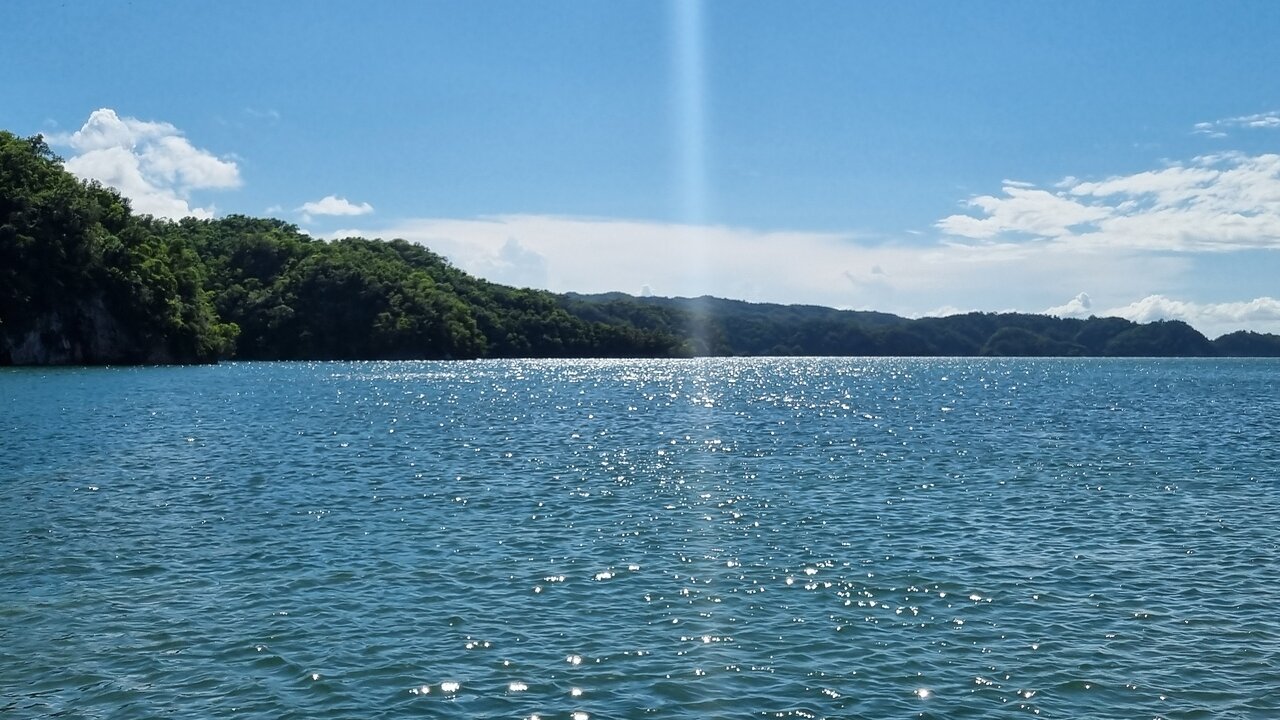
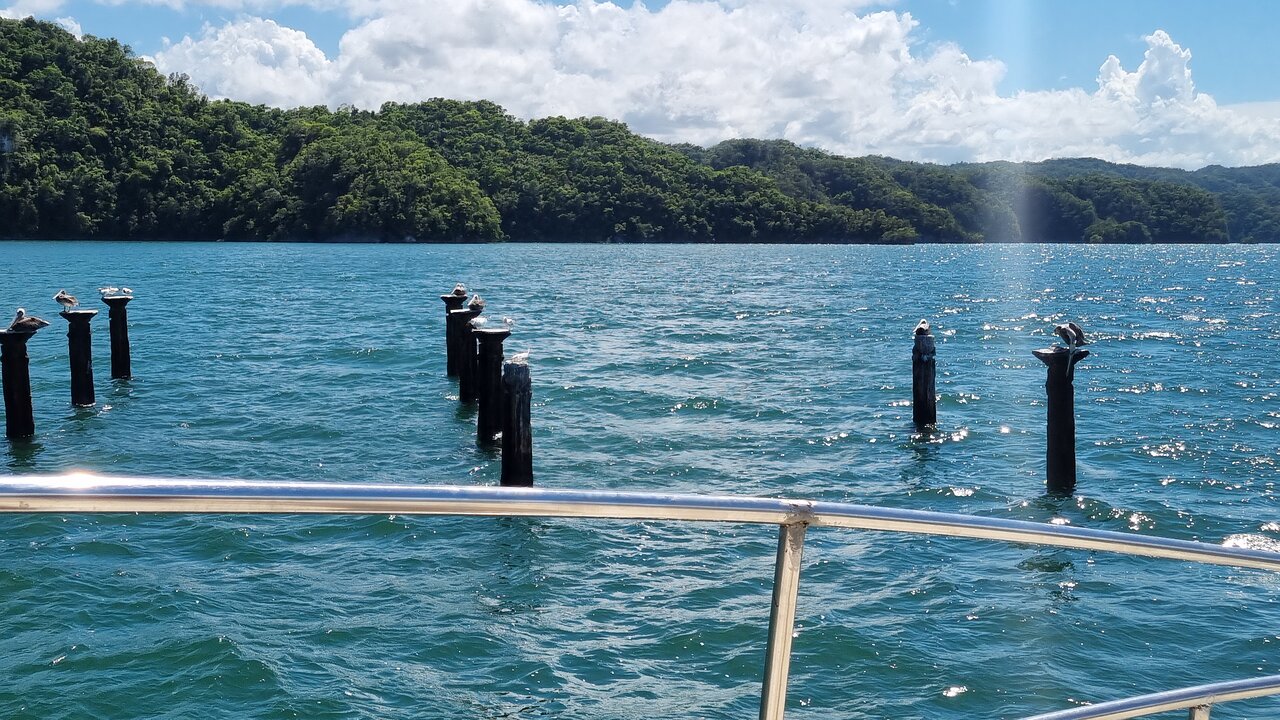
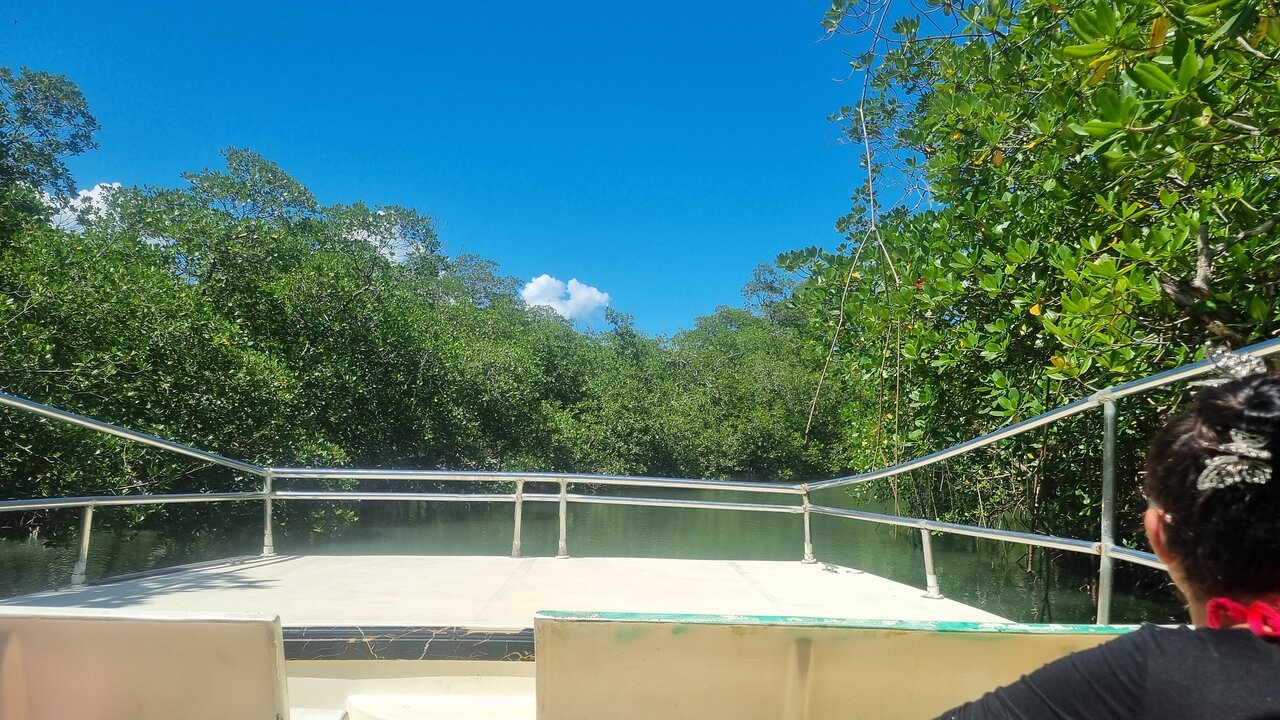
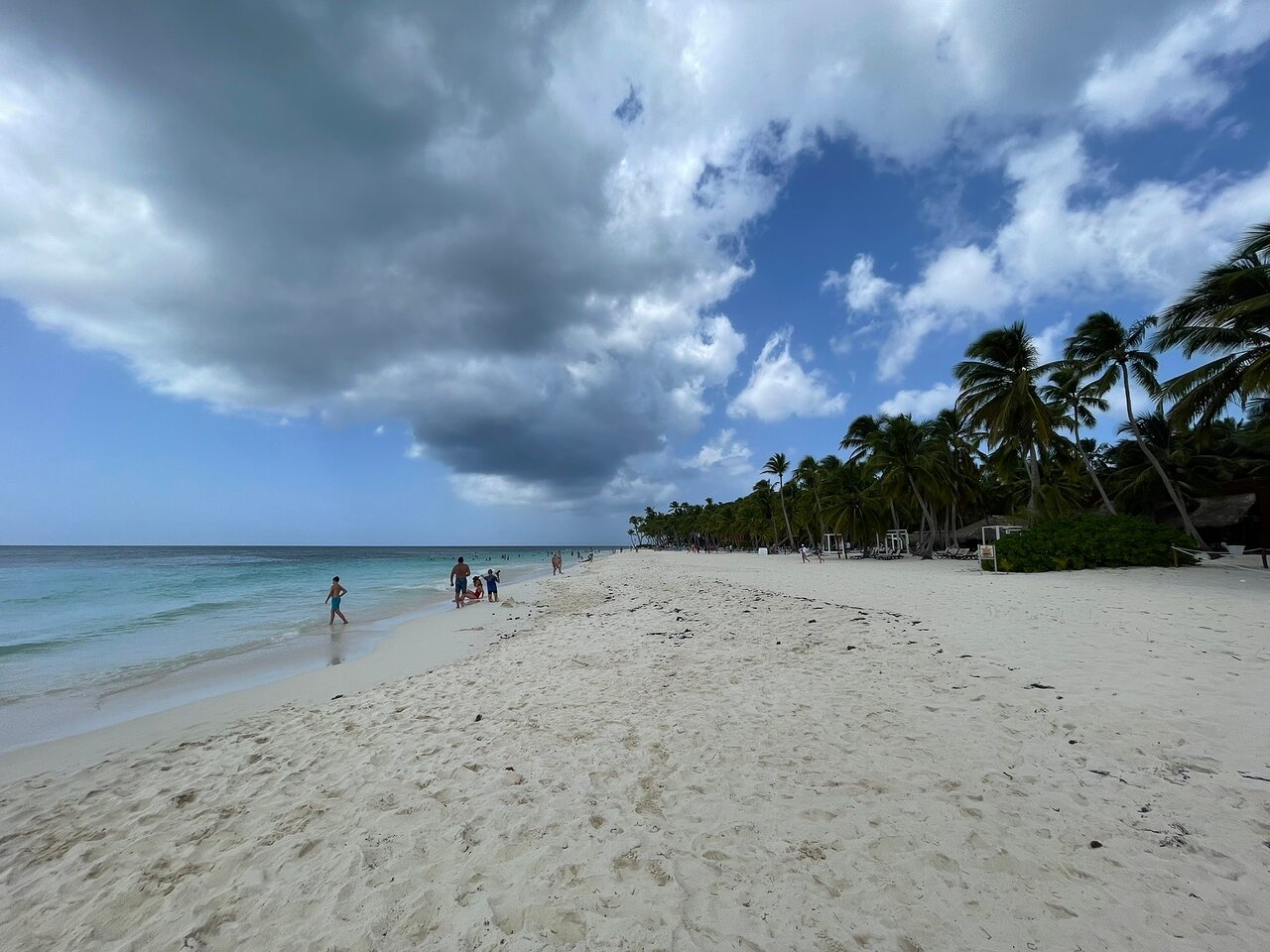
Saona Island, in the Dominican Republic, offers an interesting setting for considering how a coastal microplastic monitoring programme could be designed. Beaches, nearshore waters, tourism activities and marine habitats provide different environmental settings that could be investigated.
However, this article does not claim that particular microplastic concentrations, polymer types or pollution hotspots have been confirmed around Saona Island. Those findings would require properly designed field sampling and laboratory analysis.
This guide explains the science of marine microplastics, their possible sources, environmental pathways, sampling techniques, analytical methods and a proposed research framework for the Saona Island region.
1. What Are Marine Microplastics?
Microplastics are small plastic particles generally defined as being less than five millimetres in size.
They may have different shapes, colours, densities and chemical compositions.
Common particle forms include:
- Fragments
- Fibres
- Films
- Foams
- Beads
- Pellets
- Irregular particles
Their appearance depends on the original plastic material, manufacturing process, environmental weathering and physical breakdown.
For example, a larger plastic object exposed to sunlight, waves and mechanical abrasion may gradually fragment into smaller pieces.
Microplastics are not one single material. They may consist of different polymers, including polyethylene (PE), polypropylene (PP), polystyrene (PS), polyethylene terephthalate (PET), polyvinyl chloride (PVC) and polyamide (PA).
Correct identification therefore requires more than simply looking at a particle under a microscope. Chemical analysis is often needed to determine whether a suspected particle is actually plastic and which polymer it contains.
2. Primary and Secondary Microplastics
Microplastics are commonly discussed in two broad categories.
2.1 Primary Microplastics
Primary microplastics are manufactured or released in small particle form.
Examples can include:
- Industrial plastic pellets
- Certain manufactured plastic powders
- Micro-sized particles used in specialised products
- Plastic particles released during industrial processes
The importance of any particular source depends on the products and activities present in the study area.
2.2 Secondary Microplastics
Secondary microplastics form when larger plastic items break down into smaller pieces.
Potential original materials include:
- Plastic bottles
- Food packaging
- Disposable containers
- Fishing ropes and nets
- Synthetic textiles
- Plastic films
- Other discarded plastic products
Weathering, ultraviolet radiation, oxidation, wave action and mechanical abrasion can contribute to fragmentation.
The distinction matters because source-control strategies differ. Reducing the release of manufactured small particles requires different interventions from preventing the fragmentation of discarded plastic waste.
3. How Do Microplastics Enter the Marine Environment?
Microplastics can reach coastal waters through several pathways.
3.1 Land-Based Sources
Land-based plastic waste can be transported through drainage channels, rivers, stormwater and surface runoff.
Poorly managed waste may be carried towards the coastline during rainfall or flooding.
3.2 Coastal Tourism and Recreation
Tourism-related waste can include packaging, disposable products and other plastic materials.
If waste is not collected and managed properly, it may be transported by wind, runoff or waves.
This is a potential source category for coastal research, not proof of contamination at any particular Saona Island beach.
3.3 Fishing and Marine Activities
Fishing ropes, nets, packaging and other equipment may contribute plastic debris when damaged, lost or improperly discarded.
Mechanical wear can also release small plastic particles from some materials.
3.4 Atmospheric Transport
Small plastic particles and fibres can become airborne and travel before being deposited on land or water.
Rainfall and dry deposition can transfer airborne particles to coastal environments.
3.5 Wastewater and Drainage
Wastewater may carry fibres and other plastic particles released during washing and household activities.
Treatment systems can remove some particles, but removal performance varies with the treatment process and particle characteristics.
4. How Do Plastic Objects Become Microplastics?
Plastic fragmentation is influenced by several environmental processes.
Ultraviolet Radiation
Sunlight can initiate photochemical degradation in exposed plastic materials.
This may weaken polymer structures and make the material more susceptible to fragmentation.
Mechanical Abrasion
Waves, sediment movement, beach friction and repeated contact with other objects can break weakened plastic into smaller pieces.
Chemical Weathering
Oxidation and other environmental reactions can change polymer surfaces and material properties.
Biological Interactions
Organisms can interact with plastic debris through grazing, ingestion, surface growth and other processes.
These interactions may affect particle condition, but biological activity should not be assumed to be the dominant fragmentation mechanism at every site.
Fragmentation Is Not Complete Mineralisation
Breaking a plastic object into smaller pieces does not mean that the plastic has disappeared.
Fragmentation changes particle size and distribution. Complete degradation or mineralisation is a different process and may be slow under environmental conditions.
5. Important Types of Marine Microplastics
5.1 Plastic Fragments
Fragments are irregular particles produced when larger plastic materials break apart.
They can have rough edges, different colours and variable shapes.
5.2 Microfibres
Microfibres are thin, elongated particles.
They may originate from synthetic textiles, ropes, nets and other fibre-containing materials.
Fibres can be difficult to distinguish from natural materials such as cotton or cellulose using visual appearance alone.
5.3 Plastic Films
Films are thin, flexible plastic particles that may originate from packaging and bags.
They can fold, tear and become mixed with organic matter in beach or seabed sediments.
5.4 Plastic Foams
Foam particles can originate from expanded or cellular plastic materials.
Their structure may allow them to behave differently from dense plastic fragments.
5.5 Plastic Pellets
Pellets are manufactured plastic feedstock used in industrial production.
They may enter the environment through spills or losses during handling and transportation.
Their presence at a particular coastal location must be verified through field observations and laboratory analysis.
6. Where Can Microplastics Be Found in Coastal Environments?
Microplastics can occur in several environmental compartments.
Seawater
Particles may float near the surface, remain suspended in the water column or move below the surface depending on their density, shape, biofouling and environmental conditions.
Beach Sand
Beach sediment can retain plastic particles deposited by waves, tides and wind.
The amount and distribution may vary between the upper beach, middle beach and nearshore zone.
Seabed Sediment
Some particles settle or become incorporated into bottom sediments.
Sediment properties, particle density, organic matter and local hydrodynamics influence their distribution.
Marine Organisms
Some marine organisms may ingest plastic particles while feeding.
Detection in an organism requires carefully controlled collection, dissection or tissue-processing procedures and appropriate analytical confirmation.
Coastal Air
Airborne fibres and fragments may be transported over land and water before deposition.
A complete monitoring programme may therefore examine more than seawater alone.
7. How Do Ocean Conditions Transport Microplastics?
The movement of microplastics depends on particle properties and environmental forces.
Important factors include:
- Surface currents
- Tidal circulation
- Wind-driven transport
- Wave action
- Turbulent mixing
- Particle density
- Particle shape
- Biofouling
- Sediment interaction
Some particles may remain near the water surface, while others become suspended or settle.
A particle's movement can change over time. For example, biological growth on a plastic surface can alter its effective density and influence whether it floats or sinks.
This means that a single surface-water sample cannot describe the entire microplastic distribution of a coastal area.
8. Environmental Concerns Associated with Microplastics
Microplastics are studied because of their potential effects on marine organisms and environmental processes.
Ingestion by Marine Organisms
Small particles may be ingested by organisms that mistake them for food or consume them unintentionally while feeding.
The likelihood of ingestion depends on particle size, feeding behaviour, habitat and exposure.
Physical Effects
Depending on the organism and exposure, ingested particles may cause physical irritation, reduced feeding efficiency or digestive effects.
Results vary across species and experimental conditions.
Chemical Interactions
Plastic materials contain additives, and their surfaces can interact with chemicals in the surrounding environment.
The significance of these interactions depends on polymer type, chemical properties, environmental conditions and exposure.
Food-Web Transfer
Microplastics may be transferred between organisms through feeding interactions.
However, the extent and ecological importance of transfer must be assessed carefully rather than assumed to be identical across marine food webs.
Habitat and Sediment Effects
Plastic particles mixed into sediment may alter some physical and biological properties.
The magnitude of such effects depends on particle abundance, size, shape, sediment characteristics and local ecological conditions.
Microplastic detection alone does not establish a specific level of ecological harm. Environmental risk assessment requires evidence about exposure, biological effects and local conditions.
9. Collecting Seawater Samples for Microplastic Research
Water sampling is a central part of coastal microplastic monitoring.
The sampling method should match the research question and the particle-size range being investigated.
9.1 Surface-Water Sampling
Surface-water samples can be collected using suitable containers or a controlled pumping system.
The sampling team should record:
- Sampling location
- Date and time
- Water depth or sampling position
- Sample volume
- Weather conditions
- Sea state
- Sampling equipment
- Filter or mesh size
Surface sampling can be useful for studying floating or near-surface particles, but it cannot represent the complete water column.
9.2 Subsurface Sampling
Water can also be collected below the surface using appropriate sampling bottles or pumping equipment.
This helps investigate particles that are not restricted to the surface layer.
9.3 Net Sampling
Specialised plankton-style nets may be used to collect particles from a known volume or through a known sampling path.
The mesh size determines which particle sizes can be retained.
The method must account for particles passing through the mesh, clogging and the possibility of contamination from equipment.
9.4 Replicate Samples
Collecting replicate samples helps evaluate spatial and sampling variability.
A research programme should avoid relying on one sample to represent an entire beach, bay or island.
10. Beach Sediment Sampling
Beach sediment can provide information about microplastic accumulation and particle distribution.
A sampling design may divide a beach into defined zones, such as:
- Upper beach
- Middle beach
- Lower beach
- High-tide line
- Selected transect locations
Researchers can use a defined sampling area and depth to collect sediment consistently.
A clean metal or glass sampling tool may help reduce plastic contamination.
The sample should be transferred to a suitable container and labelled with a unique identification code.
Important field information includes:
- Beach section
- Transect number
- Sample depth
- Sediment condition
- Sampling date
- Recent rainfall
- Visible litter
- Tidal condition
- Sample mass
Beach sediment sampling can be repeated over time to investigate seasonal and temporal changes.
11. Laboratory Preparation of Microplastic Samples
Environmental samples contain more than plastic.
They may include sand, minerals, shells, plant material, organic matter and microorganisms.
Laboratory preparation helps isolate suspected plastic particles before identification.
11.1 Drying and Weighing
Sediment samples may be dried under controlled conditions when appropriate for the selected protocol.
The dry mass should be recorded so that results can be expressed using a consistent denominator.
11.2 Sieving
Sieves can separate particles into size fractions.
The selected sieve sizes should match the research objective and the analytical equipment available.
11.3 Density Separation
Density separation uses a liquid to separate particles according to their effective density.
A sample is mixed with a suitable separation solution, allowing some plastic particles to float while heavier mineral material settles.
The liquid and separation procedure must be selected carefully because not all polymers behave identically.
11.4 Organic Matter Removal
Organic material can obscure particles and interfere with identification.
A suitable digestion method may be used to remove organic matter, but treatment conditions must not damage the plastic particles being studied.
11.5 Filtration
The prepared sample can be passed through a filter to collect particles for examination.
Filter material and pore size should be chosen to match the analytical method.
These procedures require validated laboratory protocols. Aggressive chemical treatments may change particle properties or reduce recovery.
12. How Are Microplastics Identified?
Visual inspection is useful for screening, but appearance alone cannot reliably confirm that a particle is plastic.
Chemical identification is important for improving data reliability.
12.1 Optical Microscopy
A stereomicroscope or optical microscope can help researchers examine:
- Particle shape
- Colour
- Surface condition
- Approximate dimensions
- Fibrous or irregular structure
Microscopy is useful for counting and preliminary classification.
However, natural fibres, mineral fragments and other materials may resemble plastic.
12.2 Fourier Transform Infrared Spectroscopy
Fourier transform infrared spectroscopy, commonly called FTIR, identifies materials using their infrared absorption characteristics.
Different polymer types produce characteristic spectral patterns.
The measured spectrum can be compared with reference libraries to determine the likely polymer identity.
Micro-FTIR systems can analyse smaller particles and may support automated mapping of particles on filters.
12.3 Raman Spectroscopy
Raman spectroscopy uses laser light to obtain information about molecular vibrations.
The resulting spectrum can help identify polymer composition.
It can provide useful information for small particles, although fluorescence, pigments and sample condition may interfere with measurements.
12.4 Pyrolysis-Gas Chromatography-Mass Spectrometry
Py-GC-MS is a thermal analytical method that breaks polymer material into characteristic chemical products.
Those products are separated and analysed to identify and quantify polymer-related chemical signatures.
Unlike particle-by-particle microscopy, this method provides information about polymer mass but does not preserve the original particle shape.
12.5 Combining Methods
A robust analytical workflow may combine:
- Optical microscopy for screening and particle counting.
- FTIR or Raman spectroscopy for polymer identification.
- Thermal methods for complementary mass-based measurements.
No single technique answers every research question.
Method selection depends on the required particle size, sample matrix, budget, laboratory equipment and reporting objective.
13. Quality Assurance and Contamination Control
Microplastic research is particularly vulnerable to contamination because synthetic fibres and particles may be introduced during sampling, handling and laboratory processing.
A careful quality-control plan is therefore essential.
Field Blanks
Field blanks help identify contamination introduced during sample collection and transport.
Laboratory Blanks
Laboratory blanks reveal contamination introduced during preparation and analysis.
Procedural Blanks
These are processed through the same preparation steps as environmental samples without the intended environmental material.
Replicate Analysis
Replicates help evaluate variability and analytical repeatability.
Appropriate Clothing and Equipment
Researchers should consider the materials used in clothing, gloves, ropes, containers and sampling equipment.
Where practical, non-shedding clothing and suitable glass or metal equipment can help reduce contamination.
Covered Samples
Samples should be protected from airborne fibres and dust during collection, transfer and processing.
Documentation
The laboratory should record blank results, recovery tests, filter details, sample volumes, particle-size limits and identification criteria.
Without these controls, reported microplastic concentrations may reflect contamination introduced during the study rather than the environment.
14. How Should Microplastic Results Be Reported?
A result is meaningful only when its units, methods and sample conditions are clearly described.
Common reporting units include:
Water samples: Particles per cubic metre or particles per litre.
Sediment samples: Particles per kilogram of dry sediment.
Organism samples: Particles per individual or per unit of tissue mass, depending on the study design.
Researchers should also report:
- Minimum particle size included
- Mesh and filter dimensions
- Sampling volume or sediment mass
- Particle shapes
- Colour categories
- Polymer identification results
- Analytical confirmation rate
- Blank correction procedures
- Recovery efficiency
- Method detection limitations
A count from one study should not be compared directly with another if the sampling methods and particle-size limits are substantially different.
15. A Proposed Microplastic Monitoring Programme for Saona Island
A research programme around Saona Island could examine different coastal environments without assuming that contamination is already established.
Potential sampling environments could include:
- Selected beach sections
- Nearshore seawater
- Sheltered coastal water
- Areas near verified drainage outlets, if present
- Selected seabed sediment locations
- Carefully approved biological sampling sites
The study should select sites through a documented environmental and logistical screening process.
Research Objective 1 – Measure Particle Abundance
Estimate the number of suspected and chemically confirmed microplastic particles in defined water and sediment samples.
Research Objective 2 – Identify Polymer Types
Use FTIR or Raman spectroscopy to determine the polymer composition of selected particles.
Research Objective 3 – Compare Environmental Compartments
Compare seawater, beach sediment and other selected sample types using appropriate units and methods.
Research Objective 4 – Examine Spatial Variation
Determine whether particle abundance and composition differ among selected locations.
Research Objective 5 – Investigate Seasonal Variation
Repeat sampling during different seasonal conditions to understand temporal variability.
Research Objective 6 – Improve Source Understanding
Use particle shape, polymer composition, weathering condition and local activity information to investigate possible sources.
Source attribution should remain cautious because a particular polymer or particle shape may have several possible origins.
16. Data Analysis and Mapping
Geographic information systems can help organise and display microplastic monitoring data.
A coastal GIS database could include:
- Sampling coordinates
- Sample identifiers
- Collection dates
- Water depth
- Beach zones
- Sample matrix
- Particle counts
- Polymer types
- Particle-size classes
- Quality-control results
Researchers can use maps to display sampling locations and compare results across environmental compartments.
Statistical analysis may include:
- Descriptive statistics
- Mean and median particle counts
- Standard deviation
- Confidence intervals
- Spatial comparisons
- Seasonal comparisons
- Multivariate analysis of polymer composition
The results should distinguish confirmed plastic particles from visually suspected particles.
Maps should not label an area as a pollution hotspot unless the evidence and sampling design support that conclusion.
17. International Guidance and Standardisation
Microplastic studies have historically used different collection, processing and identification methods.
This creates difficulties when comparing data between research projects.
ISO 5667-27:2025 provides guidance for sampling suspended microplastics in water for subsequent characterisation.
The NOAA Marine Debris Program also provides laboratory methods for analysing microplastics in marine environmental samples.
A 2025 field and laboratory manual published in Frontiers in Marine Science discusses harmonised approaches for sampling water, sediment, biota and air, including quality assurance and quality control.
For a Saona Island study, adopting a clearly documented protocol would make the findings more useful for future research and regional comparisons.
18. Environmental Management and Prevention
Monitoring is important, but reducing plastic inputs is also necessary.
Potential management actions include:
- Improving waste collection
- Reducing unnecessary single-use plastic
- Providing appropriate waste-disposal facilities
- Preventing litter from entering coastal drainage
- Supporting responsible fishing-gear management
- Promoting visitor awareness
- Conducting organised beach-cleaning activities
- Improving waste handling at tourism facilities
- Supporting environmental education
Beach cleaning can remove visible plastic debris, but it cannot remove all microscopic particles already mixed into sediment or seawater.
Prevention and source reduction are therefore important parts of long-term marine pollution management.
19. Frequently Asked Questions
What are marine microplastics?
Marine microplastics are plastic particles smaller than five millimetres that occur in seawater, beach sediments, seabed environments and marine organisms.
Where do microplastics come from?
They can originate from manufactured small plastic particles or from the fragmentation of larger plastic items. Potential pathways include runoff, wastewater, fishing activities, tourism waste and atmospheric transport.
Are all small particles found in seawater microplastics?
No. Natural fibres, mineral particles and biological material can resemble plastic. Chemical confirmation using techniques such as FTIR or Raman spectroscopy improves identification.
How are microplastics collected from seawater?
Researchers may use surface-water sampling, subsurface bottles, filtration systems or specialised nets. The method depends on the target particle size and research objective.
How are microplastics measured in beach sand?
Sediment samples can be dried, sieved, processed through density separation and filtered before microscopic examination and chemical identification.
What is FTIR spectroscopy used for?
FTIR spectroscopy helps identify polymer types by analysing characteristic infrared spectral patterns.
What is the difference between microplastics and nanoplastics?
Microplastics are generally defined as particles below five millimetres. Nanoplastics are smaller plastic particles, but exact size boundaries vary among scientific definitions and measurement frameworks.
Can microplastics harm marine organisms?
Some organisms ingest microplastics, and laboratory and field studies have identified potential physical and biological effects. The actual risk depends on particle properties, exposure and organism characteristics.
Does Saona Island have confirmed microplastic pollution hotspots?
This article does not identify any confirmed hotspots. Such claims would require representative field sampling, validated laboratory identification and quality-controlled data.
Can a university research project investigate microplastics around Saona Island?
Yes. A properly designed project could investigate seawater, beach sediment and selected environmental samples using standardised collection and analytical procedures, subject to the required permissions and laboratory capacity.
Conclusion
Marine microplastics are an important subject in coastal environmental science because plastic particles can move through seawater, accumulate in sediments and interact with marine organisms.
Reliable research requires more than collecting visible plastic fragments. It involves carefully designed sampling, contamination control, laboratory separation, microscopic examination and chemical identification.
For Saona Island, a structured monitoring programme could establish baseline information about particle abundance, size, shape and polymer composition across selected coastal environments. However, actual pollution levels and spatial patterns must be determined through field evidence rather than assumptions.
By combining standardised sampling, FTIR or Raman analysis, quality assurance and geographic data management, researchers can produce more reliable information to support marine conservation and responsible coastal management in the Dominican Republic.

Local explorer & expert guide in El Limón Waterfall.