Sabana de la Mar Fishing Village: Local Life, Fishing Traditions and Coastal Culture
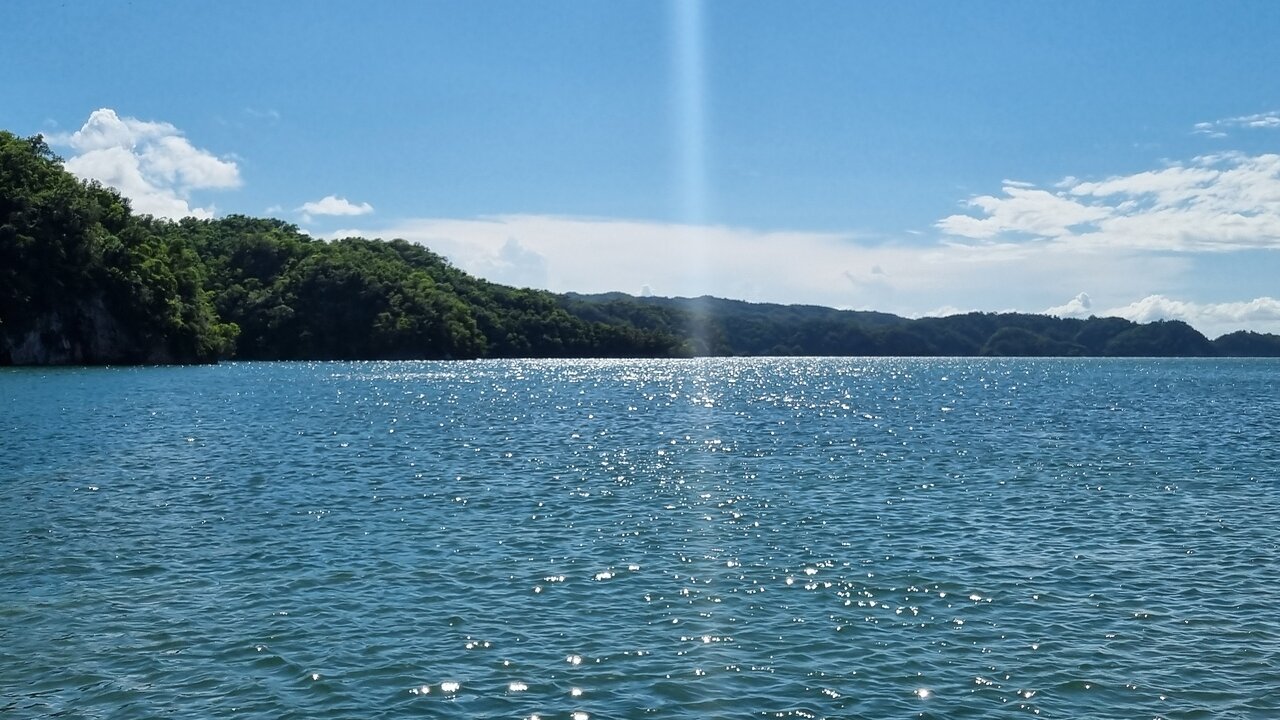
On the southern shore of Samaná Bay, Sabana de la Mar offers a different experience from the Dominican Republic's larger beach destinations. It is a coastal town where boats, fishing activity, neighborhood life and connections to the surrounding waters are part of the everyday landscape.
Many visitors first hear about Sabana de la Mar because it is an important access point for excursions to Los Haitises National Park. Yet the town has its own identity beyond tourism. Fishing has long contributed to the local economy, and the waterfront provides a glimpse of the relationship between residents and the bay.
For travelers interested in understanding the area rather than simply passing through on the way to a boat tour, spending time in Sabana de la Mar can add a valuable cultural dimension to a Los Haitises visit.
This guide explores the town's fishing community, its waterfront, local food, cultural attractions and practical ways to visit respectfully.
1. Where Is Sabana de la Mar?
Sabana de la Mar is a coastal municipality in Hato Mayor Province, in the northeastern Dominican Republic. It sits along the southern side of Samaná Bay, opposite the Samaná Peninsula.
Its position connects the town with several important natural and maritime environments:
- Samaná Bay and its coastal waters.
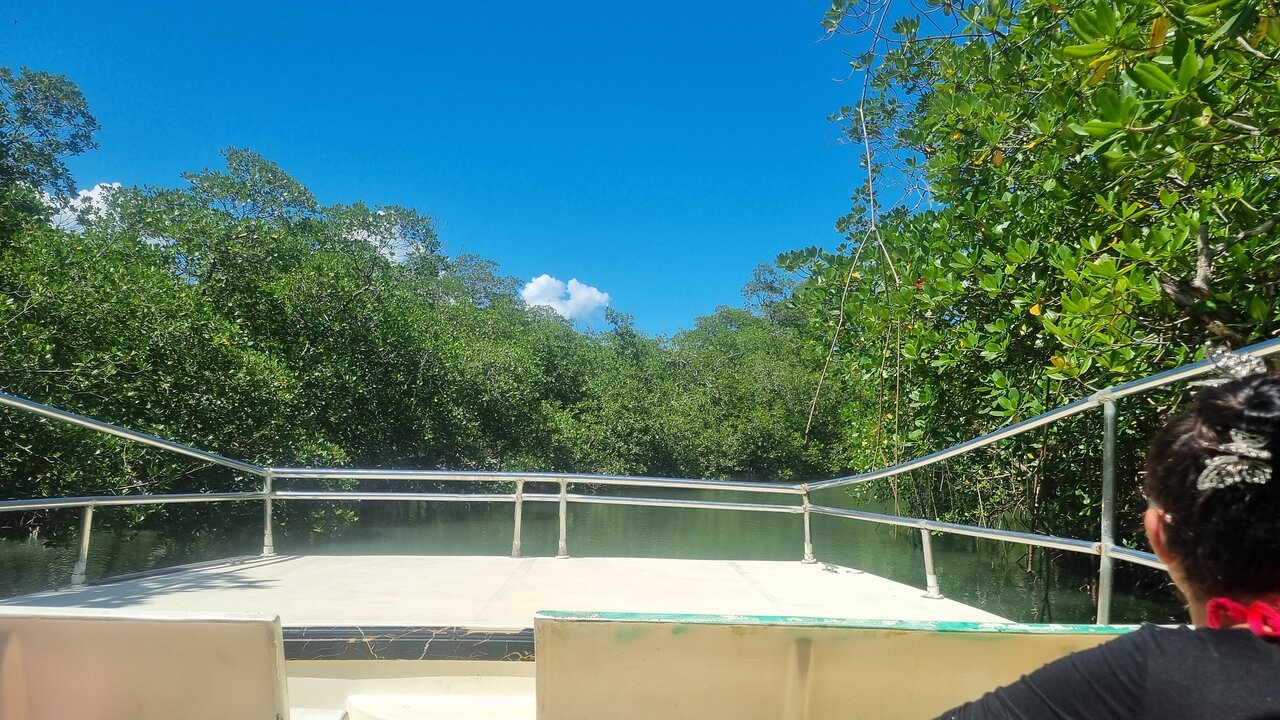
- The mangrove ecosystems and limestone landscapes of Los Haitises.
- Nearby rural and agricultural communities.
- Boat routes connecting the southern and northern sides of the bay.
The municipal government describes Sabana de la Mar as a community with a significant fishing activity, alongside agriculture and livestock production. Its coastal location has influenced both its economy and its way of life.
This combination makes the town interesting for visitors who want to explore the human side of the Los Haitises region.
2. Why Is Fishing Important to Sabana de la Mar?
Fishing is one of the activities that has helped shape Sabana de la Mar's identity.
For coastal communities, fishing is more than the act of catching seafood. It can support household income, local restaurants, fish sellers, boat operators and other businesses connected with the sea.
The municipal government identifies fishing as an important part of the town's economic activity. A report published by Diario Libre in November 2021 also described fishing as a significant source of employment and livelihood for local families.
That report documented the economic effects of a fish mortality event on the community at the time. Its figures should not be treated as current statistics, but it illustrates how closely some households and businesses depend on the health of local fisheries.
For visitors, this is a reminder that the bay is not simply a scenic background. It is also a working environment that supports local livelihoods.
3. The New Fishing Pier in Sabana de la Mar
One recent development is particularly relevant to the town's fishing identity.
On May 10, 2026, the Dominican Port Authority (APORDOM) announced the inauguration of a new fishing pier in Sabana de la Mar. The authority said the facility was designed to provide a safer and more functional working space for local fishermen and to support the operation and docking of smaller vessels.
The announcement described the project as an investment intended to benefit families connected with fishing and the coastal economy.
The new pier is an important part of the town's maritime infrastructure. It also reflects the continuing role of fishing in the local community.
If you visit, remember that a fishing pier is primarily a working facility, not necessarily a tourist attraction. Observe from areas where visitors are permitted, avoid obstructing boats or workers, and ask before taking close-up photographs of fishermen or their equipment.
4. What Can Visitors See Around the Waterfront?
The waterfront is a natural starting point for discovering Sabana de la Mar.
Depending on the time of day and local activity, visitors may see boats, waterfront businesses, people preparing for journeys across the bay and fishermen going about their work.
Rather than expecting a staged cultural performance, take time to observe the ordinary rhythm of the town.
Fishing boats and working vessels
Small boats are an important part of the coastal landscape. Some are used for fishing, while others may serve different local maritime purposes.
Do not assume every boat is available for tourist trips. Ask the owner or an authorized operator before approaching or boarding.
The working harbor environment
The fishing pier and waterfront help visitors understand how the community interacts with the bay. Fishing equipment, boat movements and landing activities can all be part of the working landscape.
Give workers enough space and never interfere with unloading, repairs or other activities.
Views across Samaná Bay
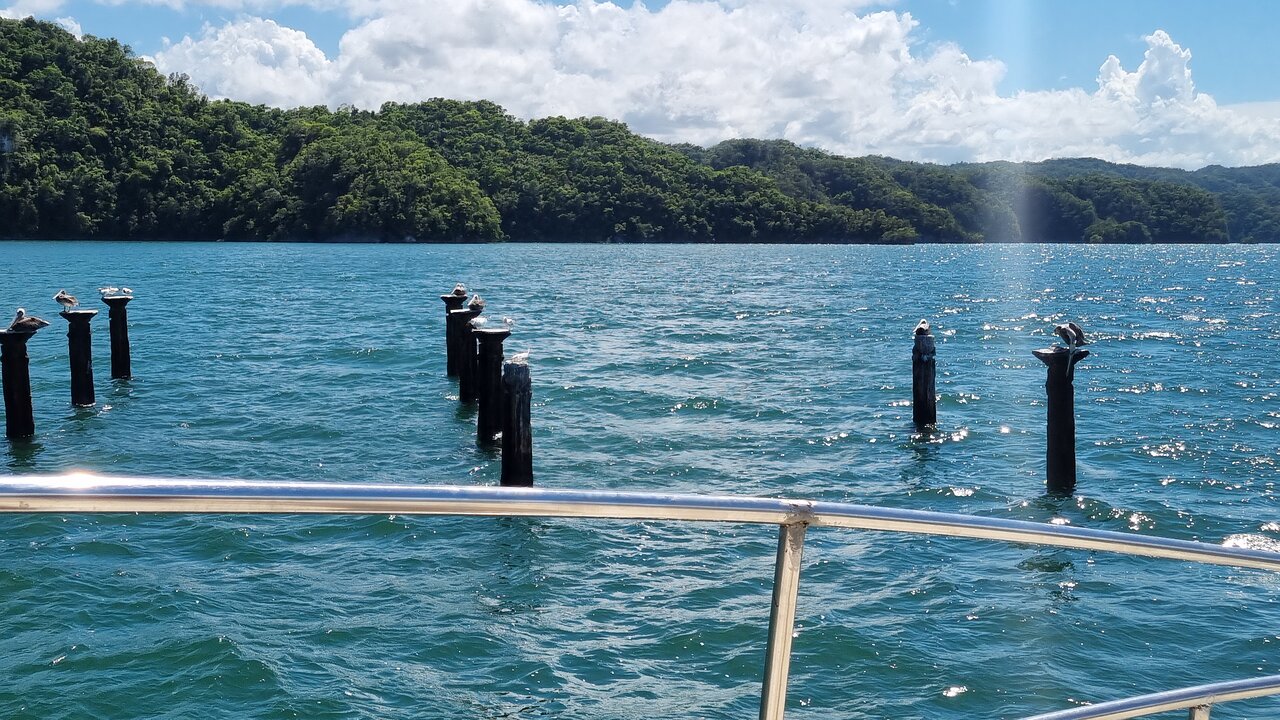
The bay provides a scenic setting for a quiet walk or photography. From the waterfront, you can appreciate the connection between Sabana de la Mar and the opposite shore.
For a more relaxed visit, allow time to enjoy the coastal atmosphere rather than treating the town only as a departure point.
5. Traditional Seafood and Local Food
Seafood is a natural part of the food experience in a coastal community such as Sabana de la Mar.
Visitors may find restaurants serving fish and other seafood dishes, depending on the establishment, season and daily supply. Local tourism information describes the area's cuisine as closely connected with the catch brought in by fishermen.
Possible dishes to ask about include:
Pescado frito: Fried fish, commonly served with side dishes such as plantains or rice.
Pescado con coco: Fish prepared with coconut-based sauce. This is a recognized coastal Dominican preparation, although its availability varies from restaurant to restaurant.
Seafood rice: Rice prepared with seafood, where offered.
Fresh fish of the day: Ask the restaurant what fish is available and how it is prepared.
A useful Spanish question is:
¿Qué pescado fresco tienen hoy?
This means, “What fresh fish do you have today?”
You can also ask:
¿Cómo preparan el pescado?
This means, “How do you prepare the fish?”
Do not assume that every restaurant serves the same dishes or that a particular fish will always be available. Ask about the day's menu.
6. How Fishing Connects With the Natural Environment
Sabana de la Mar is located beside a bay and close to the extensive coastal and wetland environments of Los Haitises. The surrounding waters and ecosystems are important to both wildlife and human activity.
Mangroves, estuaries and coastal habitats provide important ecological functions. They offer shelter and nursery areas for various aquatic species, help stabilize shorelines and contribute to the health of coastal environments.
This makes responsible fishing and habitat protection important subjects for the region.
Visitors can support a healthier coastal environment by:
- Choosing responsible local businesses.
- Avoiding the purchase of protected wildlife or prohibited marine products.
- Never leaving rubbish on the waterfront or in the water.
- Respecting fishing areas and working boats.
- Following local guidance about protected habitats.
- Avoiding disturbance to birds and other wildlife.
A healthy natural environment is valuable not only for tourism but also for the communities whose livelihoods are connected to the bay.
7. Local Culture Beyond Fishing
Although fishing is an important part of Sabana de la Mar's identity, it is not the town's only cultural feature.
The municipal government highlights several local places and traditions that help visitors understand its history.
Nuestra Señora del Pilar celebrations
The municipality identifies the annual patron-saint celebrations in honor of Nuestra Señora del Pilar as a major cultural event.
According to the municipal cultural information, the festivities traditionally take place from October 3 to October 12 and include religious activities, popular games, sporting competitions, artistic presentations and community celebrations.
If you are interested in attending, check the municipality's current announcements for the year's program and event details.
The legacy of Elupina Cordero
Elupina Cordero is an important historical and spiritual figure in Sabana de la Mar.
The municipality describes her as a woman remembered for her religious work and service to children, sick people and those in need. She was born in 1892 and died in 1939.
Her former home is associated with the Capilla-Museo Señorita Elupina Cordero, a place dedicated to preserving her memory and local history.
Visitors interested in the town's religious and social heritage can ask locally about visiting the museum and chapel. Confirm opening arrangements before making a special trip.
La Casona de Sabana de la Mar
The municipality also identifies La Casona as an important architectural heritage building. Its wooden construction and zinc roof represent an earlier style of Antillean architecture.
The municipal cultural page has described the building as needing restoration. Do not assume it is open to visitors or operates as a museum. Its condition and access arrangements should be checked locally.
8. How Does Sabana de la Mar Connect With Los Haitises?
For many travelers, the most important reason to visit Sabana de la Mar is its connection with Los Haitises National Park.
The park is known for:
- Mangrove waterways.
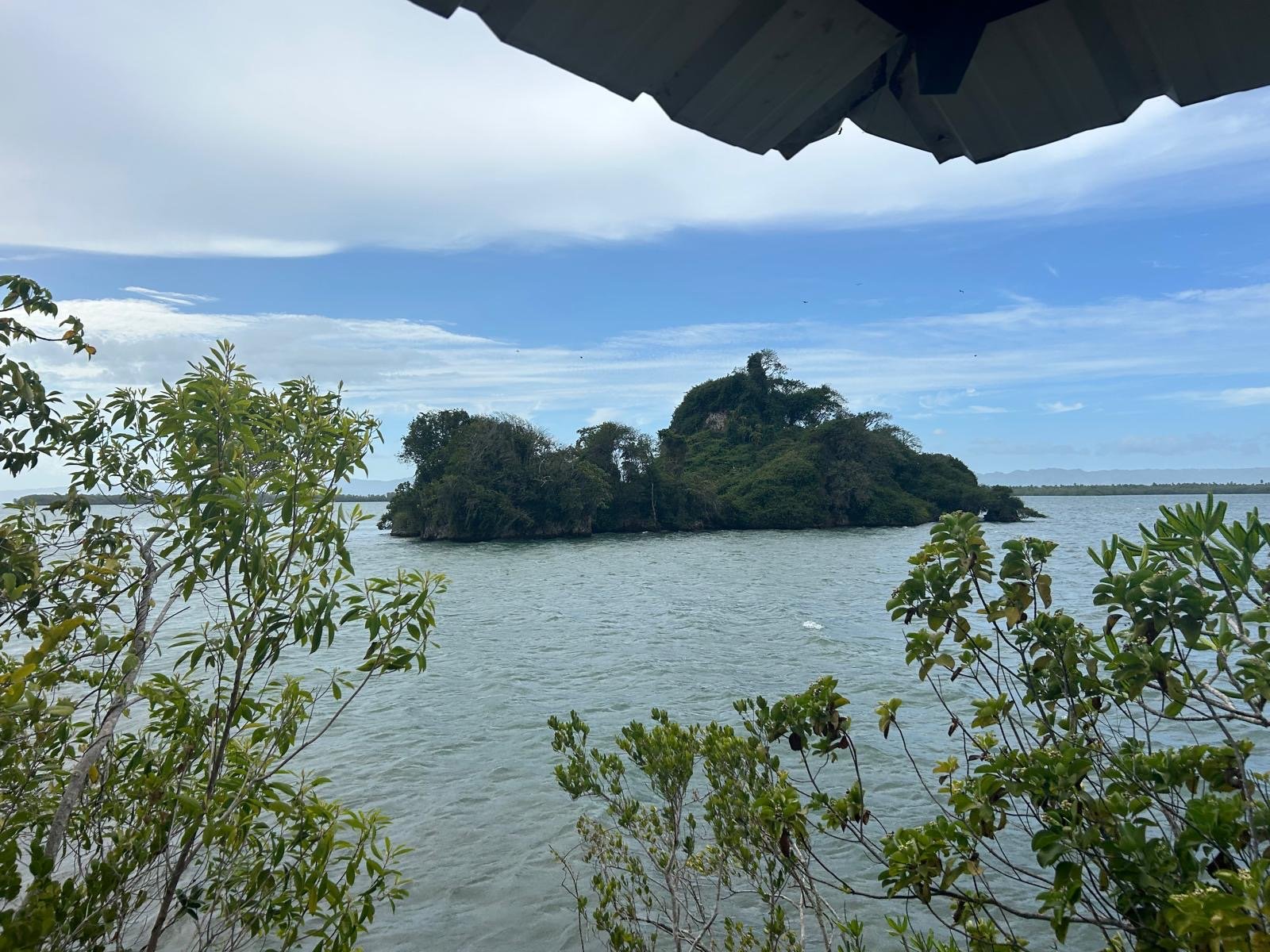
- Limestone hills and small coastal formations.
- Caves with Taíno rock art.
- Tropical forest habitats.
- Resident and migratory birdlife.
Boat excursions from the Sabana de la Mar area provide access to selected parts of this natural landscape.
A visit to the town and a park excursion can complement each other. The town introduces travelers to the coastal community, while the park reveals the ecosystems and geological features that make the region distinctive.
However, a cultural visit to the waterfront is not the same as a guided national park excursion. Arrange your boat tour separately and confirm the departure point, itinerary, duration and inclusions.
9. How to Experience Local Life Respectfully
The best way to discover a fishing community is to remember that it is a place where people live and work.
A few simple practices can make your visit more positive for both residents and travelers.
Ask before taking photographs. Fishing boats, workers and private activities should not automatically be treated as public photo opportunities.
Buy from local businesses. If you eat at a local restaurant or purchase a product from a small business, your spending can help support the community.
Do not interrupt fishing work. Keep walkways, working areas and boat access points clear.
Use local guides for organized activities. A knowledgeable guide can explain the area and help visitors understand the relationship between the community and Los Haitises.
Avoid littering. Carry your waste until you find an appropriate bin.
Be curious but respectful. Ask questions politely, listen to local explanations and avoid assuming that every resident is available to provide information or assistance.
10. Best Time to Visit Sabana de la Mar
Sabana de la Mar can be visited throughout the year, but the best timing depends on what you want to experience.
For a cultural visit, check the local calendar if you want to attend the annual patron-saint celebrations in October.
For a combined town and Los Haitises trip, choose a date when your preferred excursion is operating and confirm the weather and boat arrangements with the provider.
If you are visiting during the winter whale-watching season, ask local operators whether relevant excursions are available from the area. Do not assume that every boat operator offers whale-watching trips or that sightings are guaranteed.
Regardless of the season, check local conditions before traveling and leave enough time for transportation and activities.
11. A Simple Half-Day Plan for Exploring the Town
If you have several hours in Sabana de la Mar before or after a Los Haitises excursion, consider a relaxed itinerary.
Start at the waterfront: Observe the coastal setting and learn about the town's connection with the bay.
Discover the fishing community: Look at the working maritime environment from permitted public areas. If you want to learn more, ask whether a local guide can explain the fishing activity.
Enjoy a local meal: Choose a restaurant and ask about the fresh fish or seafood dishes available that day.
Explore local heritage: If open, visit the Capilla-Museo Señorita Elupina Cordero or ask about other cultural places in town.
Continue to Los Haitises: If you have arranged an excursion, follow the confirmed meeting instructions from your tour operator.
This itinerary is a suggestion, not a fixed tour schedule. Opening times, transport and activity availability should be confirmed locally.
12. Practical Tips Before You Visit
- Carry some Dominican pesos for small purchases.
- Ask about restaurant menus before ordering.
- Confirm opening hours for cultural sites.
- Use comfortable footwear for walking around town.
- Protect your phone and camera near the water.
- Ask permission before photographing people.
- Arrange Los Haitises excursions separately.
- Confirm the exact boat meeting point and departure time.
- Avoid entering restricted working areas at the fishing pier.
- Keep your schedule flexible if you are combining several activities.
Frequently Asked Questions
Is Sabana de la Mar a fishing village?
Fishing is an important part of the local economy and identity. The municipal government identifies fishing as a significant economic activity, and the Dominican Port Authority inaugurated a new fishing pier in May 2026 to support local fishing operations.
What is Sabana de la Mar known for?
The town is known for its coastal setting, fishing activity, connection with Samaná Bay and access to Los Haitises National Park.
Can visitors see local fishermen at work?
Visitors may observe fishing activity from appropriate public areas, depending on the time and conditions. Always respect working spaces and ask permission before photographing people or entering private areas.
Is there a fishing pier in Sabana de la Mar?
Yes. The Dominican Port Authority announced the inauguration of a new fishing pier on May 10, 2026. It was designed to support fishing operations and the docking of smaller vessels.
What food should I try in Sabana de la Mar?
Ask local restaurants about the fresh fish available that day. Depending on the establishment, you may find fried fish, fish prepared with coconut and other seafood dishes.
Can I visit Los Haitises from Sabana de la Mar?
Yes. Sabana de la Mar is an important access point for boat excursions into Los Haitises National Park. Arrange your excursion separately and confirm its departure point and itinerary.
Does Sabana de la Mar have cultural attractions?
The municipality highlights the Capilla-Museo Señorita Elupina Cordero, the annual Nuestra Señora del Pilar celebrations and La Casona as parts of its cultural heritage. Confirm public access and opening arrangements before visiting.
When are the patron-saint celebrations held?
The municipal cultural page lists the annual Nuestra Señora del Pilar celebrations from October 3 to October 12. Check the municipality's announcements for the current year's activities.
Final Thoughts
Sabana de la Mar is worth discovering as more than a starting point for a Los Haitises boat trip. Its fishing activity, waterfront, food and cultural heritage reveal a coastal community with a close relationship to Samaná Bay.
The inauguration of the new fishing pier in 2026 is a recent reminder of the importance of this maritime livelihood. For visitors, the best experience comes from taking time to understand the town, supporting local businesses and respecting the people who work along the waterfront.
If you are planning to explore Los Haitises National Park, consider adding time in Sabana de la Mar to your itinerary. A visit to the community can give you a fuller appreciation of the people and coastal environment surrounding the park.
Plan your Los Haitises experience: Explore a locally arranged boat excursion, confirm the meeting point and itinerary, and consider spending additional time in Sabana de la Mar to discover its waterfront and local culture.
Local explorer & expert guide in El Limón Waterfall.