Saona Island Excursion With Hearing Aids: Protecting Your Devices and Enjoying the Trip
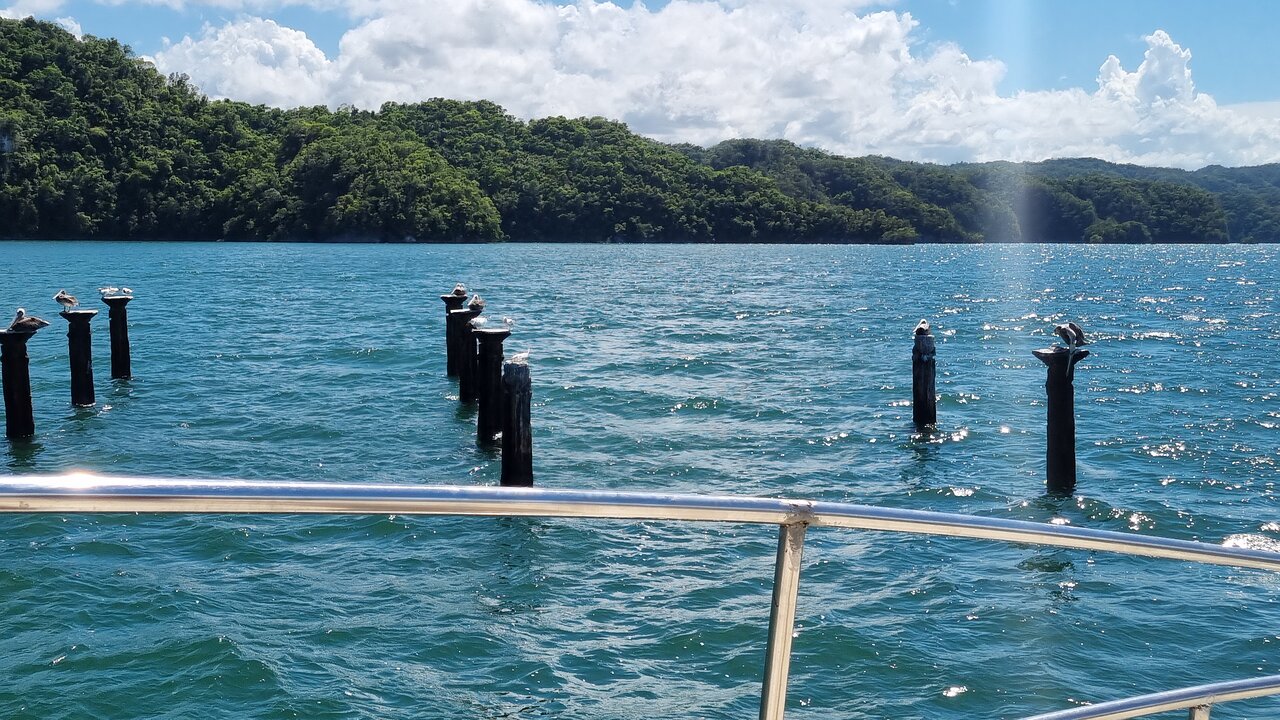
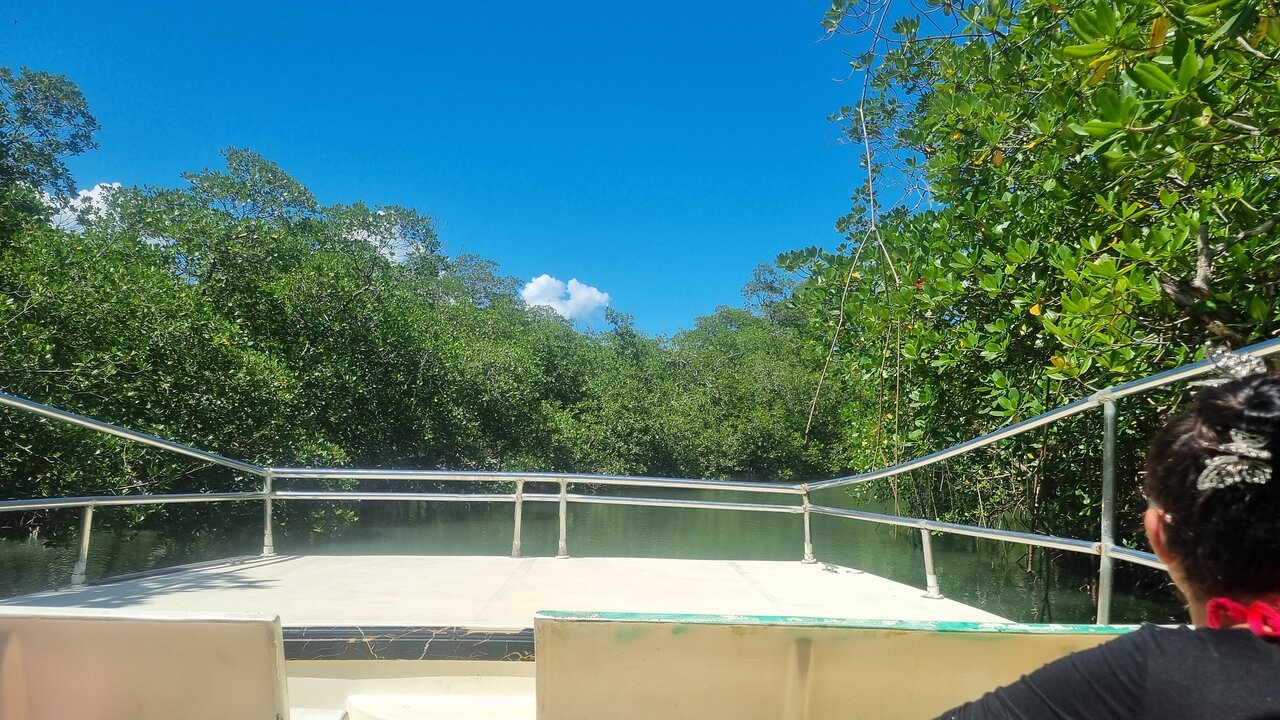
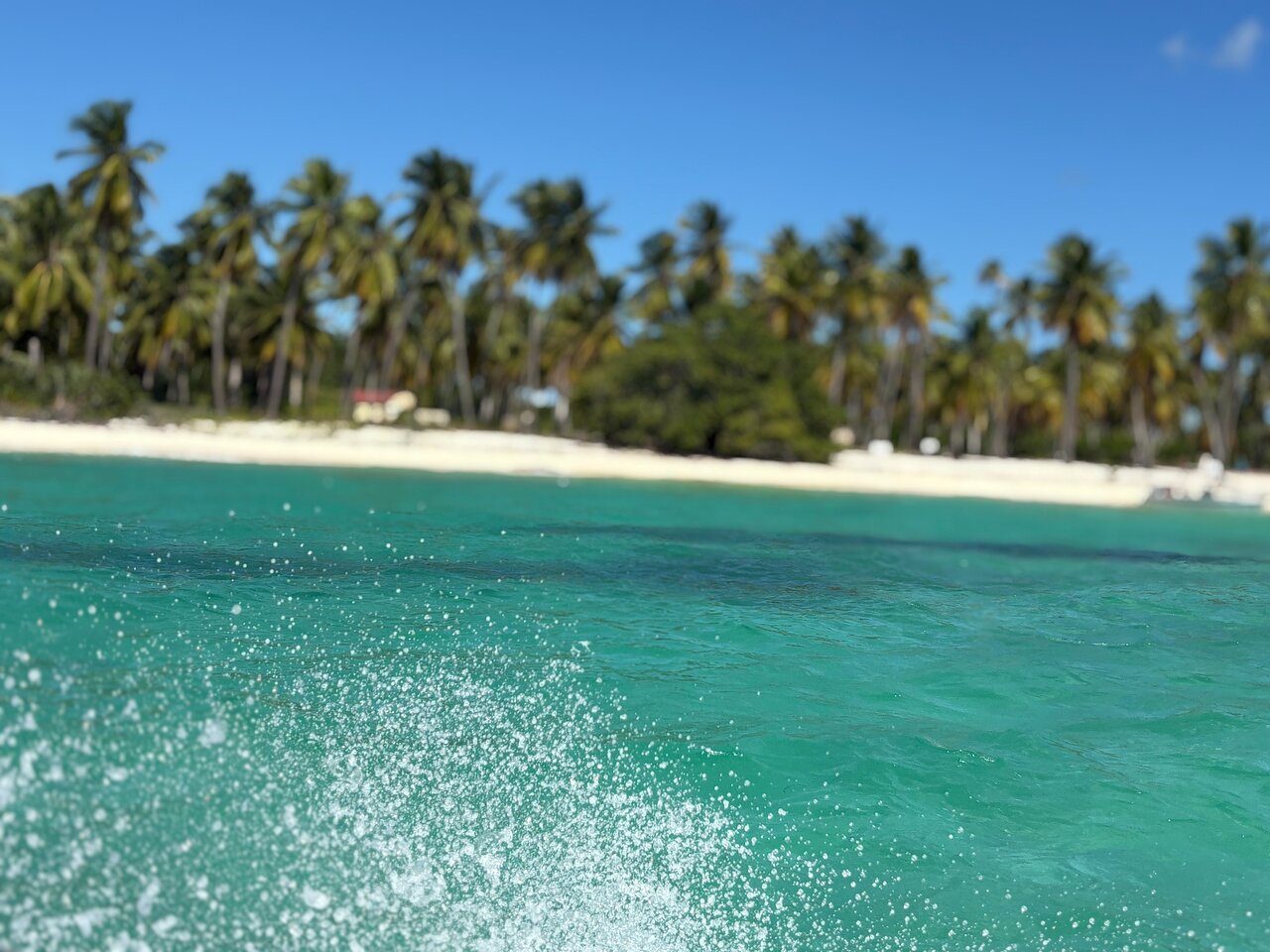
A Saona Island excursion is a memorable way to experience the Dominican Republic's Caribbean scenery. A typical day may include a boat journey, beach time, swimming opportunities, lunch and visits to different stops. If you use hearing aids or an external cochlear implant sound processor, however, the combination of sea spray, sand, sunscreen, humidity and outdoor activities deserves some preparation.
You do not have to miss out on the experience simply because you use a hearing device. The important thing is to understand how to protect your equipment, plan for activities around water and make communication with your tour guide easier.
This guide shares practical travel tips for hearing-aid users and people who use external hearing-device processors. Always follow the care instructions for your particular model, because water resistance and accessories vary between manufacturers.
1. Check Your Hearing Device Before the Trip
Before booking or departing, check the condition and care requirements of your hearing equipment.
Consider the following:
- Is the device working normally?
- Are the batteries charged or is the rechargeable unit ready?
- Do you have spare batteries or a charging solution?
- Is the hearing-device case in good condition?
- Do you have the cleaning and drying accessories recommended by your provider?
- Do you know what your device's water-resistance rating actually means?
Some devices are designed to tolerate occasional moisture, while others require particularly careful protection. Even a device described as water-resistant should not automatically be treated as waterproof.
Read the manufacturer's instructions for your exact model. If you are unsure whether it can tolerate rain, splashes or swimming-related activities, ask your audiologist or hearing-device provider before travelling.
2. Keep Hearing Aids Away From Sea Water
The Caribbean Sea may be beautiful, but saltwater can be damaging to electronic hearing devices.
Salt deposits may remain on device surfaces, while water can affect sensitive electronic components. Sand can also block microphone openings.
For this reason, remove ordinary hearing aids before swimming or entering the sea, unless the manufacturer specifically provides an approved water-use arrangement for your model.
Practical precautions include:
- Remove hearing aids before swimming.
- Keep them away from splashing water.
- Avoid placing them on wet towels.
- Store them in a protective case when not in use.
- Do not rinse them with tap water or seawater.
- Follow the manufacturer's cleaning instructions if they become exposed to moisture.
Philips and Oticon both provide beach-care guidance warning about saltwater, sand and sunscreen exposure. These precautions are particularly relevant during a boat-and-beach excursion.
3. Protect Your Device From Sand
Beach sand can be a problem even when you never enter the water.
Small particles can collect around microphones, openings, controls and other device components. Sand on your fingers can also transfer to the equipment when you adjust it.
To reduce this risk:
- Keep the hearing device in its case when you are not wearing it.
- Avoid placing it directly on a beach towel or sandy surface.
- Do not handle it with sandy or wet hands.
- Keep the storage case closed when possible.
- Use only the cleaning brush or tools recommended for your device.
Never push sand or debris into microphone openings. If you suspect that sand has entered the device, follow the manufacturer's instructions or contact a hearing-care professional rather than attempting an improvised repair.
4. Be Careful With Sunscreen and Insect Repellent
Sunscreen is an important part of a tropical beach-day preparation routine. However, lotions, sprays and other personal-care products may affect hearing-device materials or block small openings.
A practical routine is to:
- Remove your hearing aids before applying sunscreen.
- Apply sunscreen carefully around the ears.
- Allow the product to dry before putting the devices back on.
- Clean your hands before handling the equipment.
- Keep sprays and lotions away from microphones and other openings.
The same precaution may apply to insect repellent, perfume, hair spray and other products. Check your manufacturer's recommendations for the products you use.
Do not apply cleaning chemicals or alcohol to your hearing device unless the manufacturer specifically approves them.
5. Prepare for Heat and Humidity
A tropical excursion can expose your equipment to warm temperatures and humid conditions.
Moisture may accumulate around hearing-device components, while excessive heat can damage electronic parts, batteries or outer materials.
Helpful precautions include:
- Keep your devices out of direct sunlight when they are not being worn.
- Avoid leaving them inside a hot vehicle.
- Use a suitable drying system if recommended by the manufacturer.
- Store spare batteries according to their instructions.
- Keep rechargeable equipment and accessories in a protected place.
- Avoid placing devices in a damp beach bag with wet clothes.
If your device becomes damp, follow its official drying instructions. Do not use a hair dryer, microwave, oven or direct heater to dry it.
6. Plan Your Swimming and Beach Activities
Swimming is one of the attractions of many Saona Island excursions. However, people who use hearing devices should decide in advance how they will manage their equipment around water.
For ordinary hearing aids, the safest general approach is to remove them before entering the sea.
People who use cochlear implants should check the specific instructions for their external sound processor. Some manufacturers offer approved waterproof accessories for certain models and activities, but these are not universal.
Before swimming:
- Check your exact device model and its water-use instructions.
- Confirm whether an approved waterproof accessory exists.
- Understand the accessory's limits, including permitted water depth and duration.
- Make sure you know how to fit and use the accessory correctly.
- Ask your audiologist or implant team if you are unsure.
Do not assume that an external processor is safe in seawater just because it has a water-resistance rating. Saltwater use may have different restrictions from freshwater exposure.
If you do not have an approved water-use arrangement, remove the external device and store it safely before swimming.
7. Bring a Dedicated Hearing-Device Travel Kit
A small protective kit can help keep your equipment organised during the excursion.
Depending on your device, consider packing:
- A hard protective storage case.
- Spare batteries, if applicable.
- A compatible charger and charging cable.
- Manufacturer-approved drying accessories.
- A soft cleaning cloth.
- A cleaning brush supplied for your device.
- Spare retention accessories, if recommended.
- A backup device or processor if you have one and your provider has advised you to travel with it.
- Your audiologist's or device provider's contact details.
Keep the kit in your personal day bag rather than placing it in luggage that may be stored away from you on the boat.
Protect rechargeable equipment from water and excessive heat. Check battery and charging instructions before departure.
8. Tell Your Tour Guide How to Communicate With You
Boat engines, wind, music and conversations from other passengers can make spoken communication difficult.
A short conversation with your guide before departure can help everyone understand how to communicate effectively.
You might explain that you:
- Prefer to face the person who is speaking.
- Understand better when instructions are given clearly.
- May need important information repeated.
- Prefer written instructions for meeting times or locations.
- Need to see the guide before receiving an announcement.
If you use a hearing device with a compatible microphone or remote accessory, ask your audiologist whether it is suitable for outdoor or boat use.
You can also save essential information on your phone, such as the tour meeting point, departure time, operator contact and return instructions.
9. Choose a Comfortable Place on the Boat
The sound environment on a boat can be challenging. Engine noise, wind and background conversation may make it difficult to understand speech.
When boarding, consider asking the crew where you can sit comfortably and hear important instructions.
Helpful ideas include:
- Choose a position where you can see the guide when they speak.
- Avoid relying on announcements from a distant speaker.
- Ask for important safety information to be repeated directly if needed.
- Keep your hearing device secure and away from splashing water.
- Tell a travel companion if you may need help hearing instructions.
Do not move around a moving boat to find a better seat unless the crew says it is safe.
10. Protect Your Equipment During Lunch and Beach Stops
During lunch and beach breaks, there may be wet surfaces, food, sunscreen, drinks and sand around your belongings.
Create a simple storage routine:
- Choose a clean, dry and secure place for your device case.
- Keep the case away from food and drinks.
- Avoid leaving the equipment in direct sunlight.
- Keep it away from wet clothing and towels.
- Check that the case is closed before moving to another activity.
If you remove your hearing aids before swimming, remember where you stored them. A bright or clearly labelled protective case can make them easier to identify among your belongings.
Do not leave valuable hearing equipment unattended on a beach chair or table.
11. What to Do if Your Hearing Device Gets Wet
If your device is accidentally exposed to water, act according to the manufacturer's instructions.
In general:
- Remove the device if it is safe and practical to do so.
- Do not attempt to operate or charge a wet device.
- Do not use a hair dryer or direct heat.
- Dry the exterior gently only as instructed.
- Use the manufacturer's recommended drying method.
- Contact your hearing-care provider if the device stops working or behaves unusually.
Do not assume that a device will work normally after drying. Saltwater exposure may require professional assessment or manufacturer-approved care.
If your cochlear implant external processor becomes wet, follow the instructions supplied by your implant team and manufacturer.
12. Make a Communication Backup Plan
A hearing device is important, but it is useful to have another way to access essential travel information.
Before the excursion:
- Save the tour operator's phone number.
- Keep the meeting location written down.
- Save your return departure time.
- Ask your companion to share important changes directly.
- Use text messages for important updates when possible.
- Confirm how the guide will communicate emergency instructions.
You can also ask the operator whether written safety information is available.
A simple backup plan helps avoid confusion if wind, engine noise or device problems make communication difficult.
13. A Saona Island Hearing-Device Packing Checklist
Before leaving your hotel, check that you have:
- Your hearing aids or external sound processor.
- Protective storage case.
- Spare batteries or charger, as appropriate.
- Manufacturer-approved drying accessories.
- Cleaning cloth and approved cleaning tools.
- Any approved water-protection accessory required for your model.
- Backup device or processor, if advised.
- Device instructions or important care information.
- Tour operator contact details.
- Written meeting and return information.
The exact list depends on the type of hearing device you use.
Frequently Asked Questions
Can I wear hearing aids on a Saona Island boat trip?
Many people can wear their hearing aids during a boat journey, provided the devices are protected from water, splashes, sand and other environmental hazards. Check your model's instructions and remove the device if conditions make it unsafe.
Can I swim in the sea while wearing hearing aids?
Ordinary hearing aids should be removed before swimming. Some cochlear implant systems have approved water accessories, but their suitability depends on the exact model and manufacturer instructions.
Does saltwater damage hearing aids?
Saltwater exposure can leave salt deposits and damage sensitive device components. Keep ordinary hearing aids away from seawater and follow the manufacturer's instructions if accidental exposure occurs.
Can sand damage hearing devices?
Yes. Sand can collect around microphone openings and other small components. Store the equipment in a closed protective case and avoid handling it with sandy hands.
Should I bring spare hearing-aid batteries?
If your device uses disposable batteries, carrying suitable spare batteries is a sensible precaution. If it is rechargeable, follow the manufacturer's advice about charging and battery care.
Can sunscreen damage hearing aids?
Some personal-care products may affect device materials or block openings. Remove hearing aids before applying sunscreen and allow the product to dry before putting them back on.
What if I cannot hear the tour guide clearly?
Ask the guide to face you, speak clearly and repeat important instructions. You can also request written information about meeting points, departure times and other essential details.
Final Thoughts
A Saona Island excursion can be enjoyable for travellers who use hearing aids or cochlear implant sound processors. The key is to prepare your equipment for the beach environment and plan how you will communicate during the journey.
Keep hearing devices away from saltwater and sand, protect them from sunscreen and excessive heat, and bring a suitable storage and care kit. Check your specific device instructions before swimming, especially if you use a cochlear implant system with optional water accessories.
With a little planning, you can focus on the boat journey, Caribbean scenery and beach experience while taking sensible care of your hearing equipment.

Local explorer & expert guide in El Limón Waterfall.