Sora in Los Haitises: Secretive Migratory Rail of Wetland Habitats
Los Haitises National Park is known for its mangrove forests, limestone islands, coastal channels, caves and remarkable birdlife. While many visitors notice the larger birds flying above the water or resting along exposed branches, some of the park's most interesting species are much harder to find. They live close to the ground, move quietly through vegetation and may disappear before a visitor has a clear look.
One of these elusive wetland birds is the Sora (Porzana carolina), a small member of the rail family. It is included in the Avibase bird checklist for Los Haitises National Park, which records 183 bird species for the area. However, inclusion on a regional checklist does not mean that a Sora will be present at every wetland or visible during every excursion. Avibase
For birdwatchers exploring the natural surroundings of Los Haitises and Sabana de la Mar, learning about the Sora adds another dimension to understanding the park's wetland habitats. Its compact body, short yellow bill, distinctive call and secretive behavior make it a fascinating species to learn about.
What Is a Sora?
The Sora is a small marsh bird belonging to the family Rallidae, the same bird family that includes rails, gallinules and coots. Its scientific name is Porzana carolina. The species is strongly associated with wetlands containing dense vegetation, where it can feed and move while remaining hidden from predators.
Unlike conspicuous waterbirds that spend much of their time swimming in open water, Soras often walk through shallow marshes and thick plant growth. They may be heard calling from within the reeds without ever appearing in an open space.
The species breeds mainly in North America and migrates south during the nonbreeding season. Its migration can involve long flights across large bodies of water, including the Gulf of Mexico and the Caribbean region. Cornell Lab of Ornithology
How to Identify a Sora
Recognizing a Sora can be difficult because it rarely remains in the open for long. Its body shape and plumage provide several useful identification clues.
1. Small, compact body
A Sora is approximately 20–25 centimetres long. It has a rounded, chicken-like body, a short tail and relatively long toes. Its shape is different from that of long-legged wading birds such as herons and stilts.
2. Brown and gray plumage
The upperparts are generally mottled brown, helping the bird blend into dead leaves, marsh plants and muddy surroundings. Its face and underparts have gray tones, while adults show darker markings around the face and throat.
3. Short yellow bill
One of the easiest features to recognize is the short, thick, yellow bill. It is noticeably different from the longer bills of several other rail species.
4. Dark facial markings
Adult Soras typically have a black facial mask and dark throat patch. Females may show less prominent dark markings, while juveniles are generally browner and lack the strongly developed adult facial pattern.
5. White markings beneath the tail
The Sora often raises or flicks its short tail, revealing a pale or white patch underneath. This movement can provide a useful identification clue when the bird briefly appears among vegetation.
These characteristics are described in the Cornell Lab of Ornithology's identification guide. Cornell Lab of Ornithology — Identification
Where Does the Sora Live?
Soras are closely connected with freshwater wetlands. They prefer shallow areas with thick emergent vegetation, including sedges, rushes and cattails. These plants provide cover, nesting material in their breeding range and opportunities to search for food.
During migration and the nonbreeding season, Soras can also use other wet environments, including brackish marshes, wet pastures, drainage ditches and flooded fields.
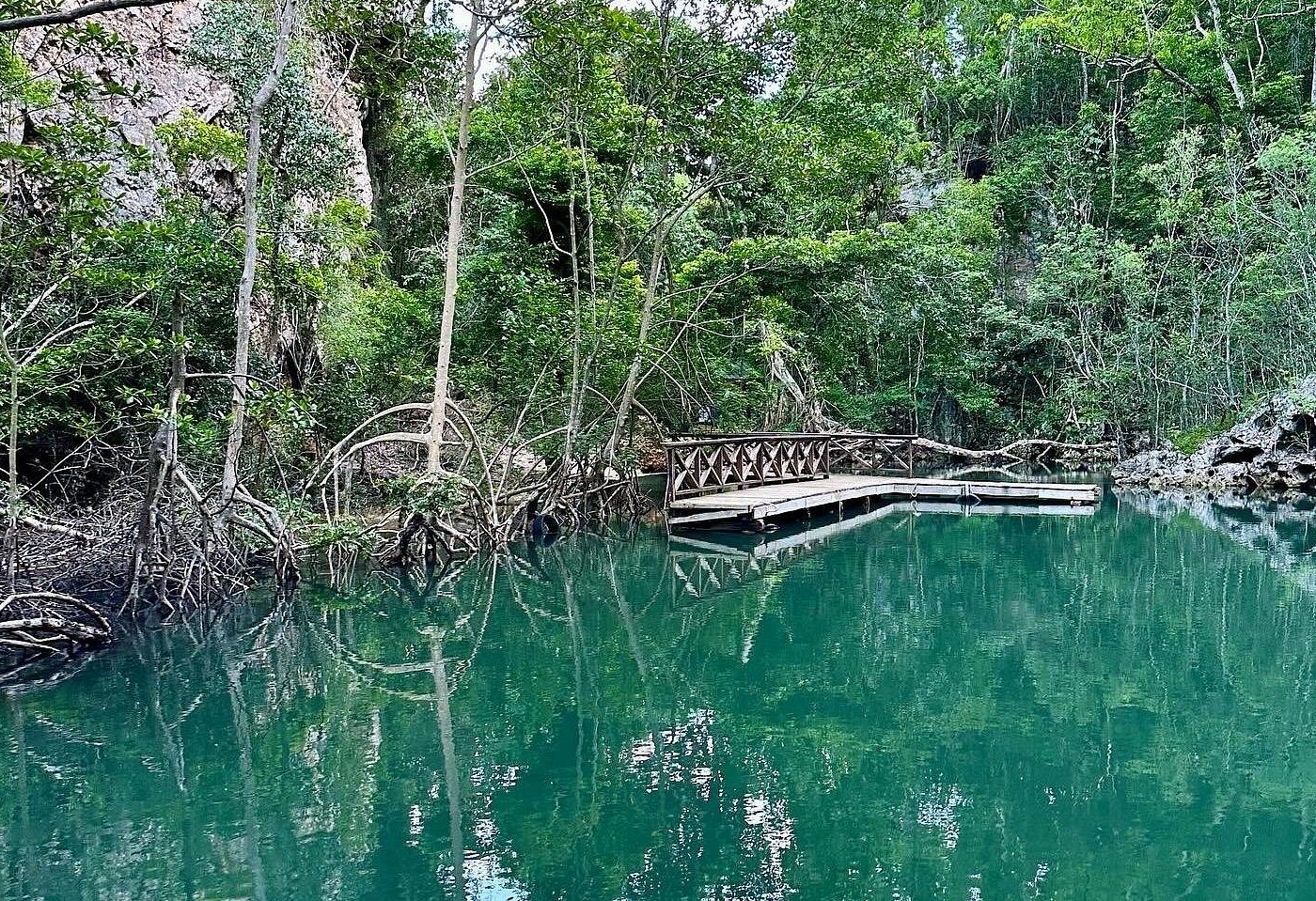
Los Haitises contains a complex coastal and wetland landscape. Its mangroves, waterways, sheltered channels and nearby wet habitats support a variety of bird species. The park's bird checklist includes the Sora, but the presence of the species on that list should be understood as a regional record rather than a promise of a sighting at a particular visitor location.
It is also important to distinguish habitat types. Soras are especially associated with marsh vegetation and shallow wetland cover. They should not be described as birds that depend exclusively on mangrove trees.
Is the Sora a Migratory Bird in the Dominican Republic?
Yes. The Sora is a migratory species whose main breeding range is in North America. Many individuals move south for the nonbreeding season, reaching parts of the Caribbean, Central America and South America.
The species is capable of crossing substantial distances despite its small, compact appearance. Soras often migrate at night, which makes their movements difficult for casual observers to notice.
The exact timing and frequency of Sora sightings in Los Haitises can vary. Local water levels, vegetation conditions, migration patterns and the availability of suitable habitat all influence where individual birds may occur.
For visitors, the practical lesson is simple: a Sora is a species worth learning about when exploring the region's wetlands, but it should not be treated as a guaranteed seasonal attraction or a bird that can always be found at a specific stop.
Why Is the Sora So Difficult to See?
The Sora's secretive behavior is one of the main reasons birdwatchers find it challenging.
It stays inside dense vegetation
Soras often walk between reeds, sedges and other wetland plants instead of moving through open water. Their brown and gray feathers provide natural camouflage.
It moves quietly
A Sora may walk or run through vegetation with little disturbance. If it senses danger, it may move deeper into cover rather than fly into the open.
It is more often heard than seen
Its distinctive call can reveal its presence even when the bird remains hidden. The familiar descending whinny is particularly useful for birdwatchers learning to recognize the species.
It may appear only briefly
A Sora can emerge at the edge of a marsh, search for food and disappear again within moments. Patience and careful observation are therefore important.
Cornell's species guide recommends listening for the call and watching suitable wetland edges, particularly during periods when the bird is more likely to move into open areas. Cornell Lab of Ornithology
What Does a Sora Eat?
The Sora has a varied diet that includes both plant and animal material. Seeds from wetland plants are an important food source, while aquatic invertebrates provide additional nutrition.
Its diet can include:
- Seeds from sedges and other marsh plants
- Aquatic insects
- Snails and other small molluscs
- Small invertebrates found on wet vegetation
- Other available plant material
Soras use their toes to move across floating vegetation and search for food around shallow water. They may pick seeds from plants, inspect the water's surface or forage among damp vegetation.
This feeding behavior helps explain why healthy marshes are important. Wetland plants do more than create shelter: they also provide food and support the small organisms that form part of the Sora's diet. Cornell Lab of Ornithology — Life History
Understanding the Sora's Call
For many birdwatchers, sound is the best way to begin identifying a Sora. Its familiar call is a descending, whinny-like series of notes that can carry across a quiet marsh.
The bird also produces shorter calls, including sharp notes that may be heard when it is disturbed or communicating from within vegetation.
When listening in Los Haitises, visitors should remember that not every sound coming from a wetland belongs to a Sora. Other rails, frogs, insects and waterbirds can also produce distinctive calls.
A useful approach is to combine listening with observation. If a call comes from a suitable marsh habitat, watch the vegetation quietly from a respectful distance. Do not enter sensitive marsh areas or attempt to force a hidden bird into view.
Sora Compared With Other Rails and Wetland Birds in Los Haitises
The Sora belongs to a group of birds that can be challenging to identify. Several other members of the rail family are included in the Los Haitises checklist, making comparisons useful for birdwatchers.
SpeciesMain identification featureSoraShort yellow bill, compact body and dark facial markingsSpotted RailLarger appearance with distinctive pale spotting on the dark upperpartsCommon GallinuleMore conspicuous body, red frontal shield and red-and-yellow billPurple GallinuleBright blue-purple body, red bill and long yellow legsAmerican CootDark body, white bill and distinctive lobed toes
The Sora is generally smaller and more compact than the gallinules. Its short yellow bill is particularly useful when comparing it with other rails.
The Spotted Rail has a different pattern, including noticeable spotting, while the Common and Purple Gallinules are generally more colorful and easier to recognize when visible.
American Coots are also different in appearance, especially because of their white bills and lobed toes adapted for swimming.
These comparisons are useful for understanding the park's bird diversity, but identification should always be based on several features rather than a single quick glimpse.
Is the Sora Endangered?
The Sora is a widespread North American rail and is generally classified as a species of low global conservation concern. Cornell's species account describes its population as stable over the period covered by the North American Breeding Bird Survey.
However, a species can have a relatively secure global status while still depending on habitats that are vulnerable to local damage.
Wetland drainage, agricultural development, changes in water levels, pollution and loss of marsh vegetation can reduce suitable habitat. Wetlands also support many other birds, fish, amphibians and invertebrates, so their protection benefits entire ecosystems.
In Los Haitises, responsible tourism and conservation awareness are important. Visitors should avoid disturbing marsh vegetation, littering waterways or approaching wildlife too closely.
Responsible Birdwatching in Los Haitises
Birdwatching in Los Haitises is about observing the wider ecosystem, not simply collecting photographs of individual species. The Sora's secretive nature makes respectful behavior especially important.
Consider these practical tips:
- Keep a quiet distance: Loud voices and sudden movement can disturb birds hiding in vegetation.
- Use binoculars: They allow you to observe birds without approaching sensitive habitat.
- Avoid playback misuse: Repeatedly playing recorded calls can disturb birds and interfere with natural behavior.
- Stay on permitted routes: Do not walk into marshes or vegetation to search for a hidden bird.
- Never feed wild birds: Feeding can change natural behavior and create unhealthy dependence.
- Follow local guidance: Respect park rules and any instructions from authorized personnel or your excursion operator.
A successful wildlife experience does not require seeing every species. Learning to recognize habitats, calls and animal behavior can make a visit meaningful even when elusive birds remain hidden.
Can You See the Sora on a Los Haitises Boat Tour?
It is possible to learn about the Sora as part of a wider birdwatching experience in the Los Haitises region, but a typical boat excursion should not be presented as a guaranteed Sora-watching trip.
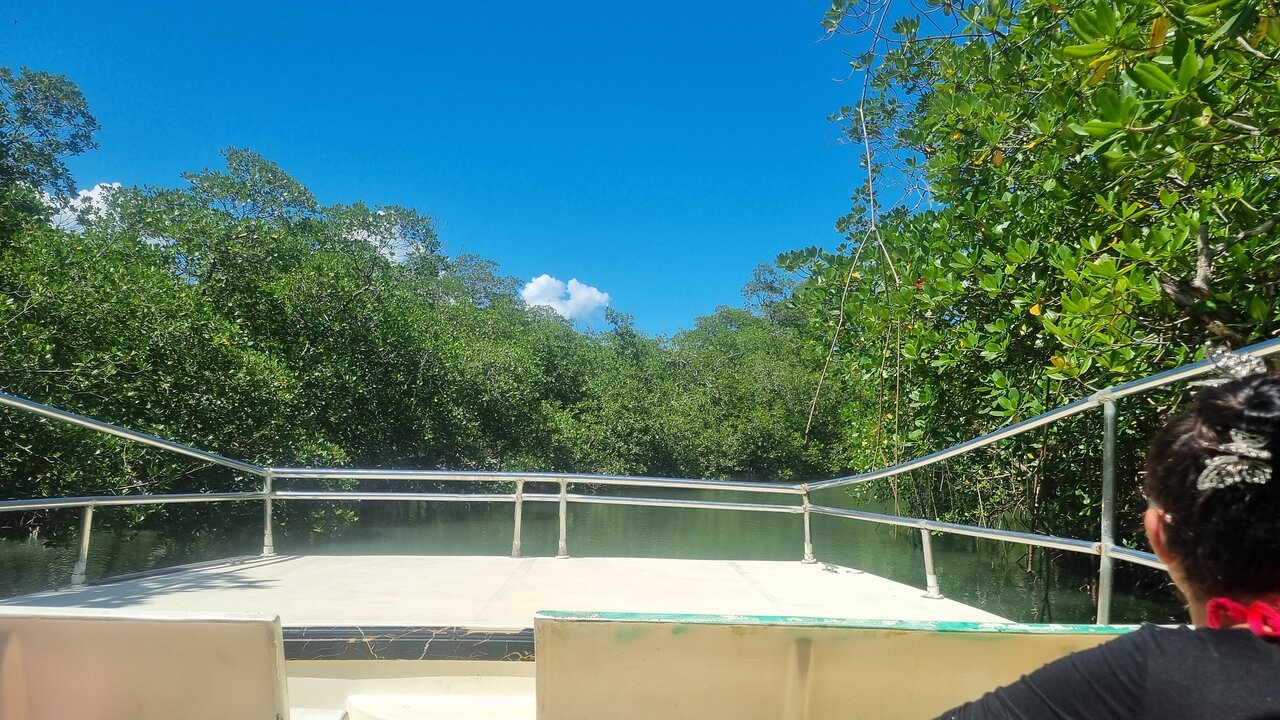
The species is associated particularly with marsh vegetation, while boat routes may pass through different habitats such as mangrove channels, coastal waterways and limestone formations. Whether a Sora is present and visible depends on the location, season and conditions.
If seeing wetland birds is a priority, ask your tour provider whether the itinerary includes suitable marsh or wetland habitats and whether the excursion can accommodate birdwatching stops. Confirm the actual route and wildlife expectations before booking.
Visitors staying in or travelling through Sabana de la Mar can also use the town as a starting point for learning about the surrounding natural environment. The best experience will depend on the places that are legally accessible and the activities actually offered by the provider.
Best Ways to Photograph a Sora
Photographing a Sora can be challenging because it often remains behind plants and moves quickly through cover.
A few techniques can improve your chances:
- Use a camera with a telephoto lens so you can photograph from a respectful distance.
- Watch the edges of dense vegetation rather than searching only in open water.
- Be patient when you hear a call; the bird may eventually appear.
- Use natural light when possible, especially during quieter morning or late-afternoon periods.
- Avoid approaching or surrounding the bird to obtain a photograph.
- Do not remove plants or disturb vegetation to create a clearer view.
A photograph of a Sora in its natural habitat can be valuable, but the bird's welfare should always come before the image.
Frequently Asked Questions About the Sora in Los Haitises
1. Is the Sora found in Los Haitises National Park?
The Sora (Porzana carolina) is included in the Avibase bird checklist for Los Haitises National Park. This supports its inclusion in the area's recorded bird diversity, but does not guarantee that visitors will see one during a particular trip.
2. Is the Sora native to the Dominican Republic?
The Sora is a migratory North American species that travels south during the nonbreeding season. It occurs in parts of the Caribbean region, including the Dominican Republic.
3. What does a Sora look like?
It is a small, compact marsh bird with mottled brown upperparts, gray facial and lower-body areas, dark facial markings and a short yellow bill. It often raises its tail, revealing a pale patch underneath.
4. What sound does a Sora make?
Its best-known call is a descending whinny. It also produces shorter, sharper notes. Because the bird often remains hidden, listening can be more effective than searching visually.
5. Does the Sora live in mangroves?
The Sora mainly prefers shallow wetlands with dense emergent vegetation, such as sedges, rushes and cattails. It may use other wetland environments, including some brackish areas, but it is not exclusively a mangrove species.
6. What does the Sora eat?
Its diet includes wetland plant seeds, aquatic insects, snails and other small invertebrates.
7. Is the Sora easy to photograph?
No. It is a secretive bird that often stays inside thick vegetation. Binoculars, a telephoto lens and patient observation can help, but sightings are never guaranteed.
8. What is the difference between a Sora and a Common Gallinule?
The Sora is smaller, has a short yellow bill and has dark facial markings. The Common Gallinule is more conspicuous and has a red frontal shield with a red-and-yellow bill.
9. Can I specifically book a Sora-watching tour in Los Haitises?
Do not assume that a standard Los Haitises excursion includes a dedicated Sora-watching itinerary. Ask the operator whether the route visits suitable wetland habitat and whether birdwatching is a main focus.
10. How can visitors help protect the Sora's habitat?
Visitors can help by avoiding litter, staying on permitted routes, keeping a respectful distance from wildlife and supporting responsible tourism practices that protect wetlands.
Discover the Wetland Birdlife of Los Haitises
The Sora is a reminder that the wildlife of Los Haitises is not limited to the birds that are easiest to see. Some species depend on quiet marshes and dense vegetation, where their presence may be revealed only by a brief movement or a distant call.
For visitors exploring the region around Sabana de la Mar, learning about the Sora offers a reason to pay closer attention to the park's wetland habitats. Whether you are a dedicated birdwatcher, a nature photographer or a traveller interested in Dominican Republic wildlife, understanding these less visible species can make your experience more rewarding.
When planning a visit, choose an excursion that respects the natural environment, confirm its actual route and follow local conservation guidance. Protecting the wetlands helps preserve the habitats that support the Sora and many other birds of Los Haitises.
Local explorer & expert guide in El Limón Waterfall.